
Tacoma, WA
Commercial RoofingCommercial Roofing
Commercial Roofing of Tacoma helps facility teams compare scopes, repair priorities, roof systems, and scheduling needs across Tacoma and the South Sound. Each page below covers a specific roofing need with practical visitor-facing details.
Tacoma Commercial Roofing Resources

Commercial Metal Roofing in Tacoma, WA
Metal panel roofing sheds Puget Sound rain quickly and lasts decades, but fastener integrity and corrosion control near the saltier Tideflats air determine whether it reaches its rated life here.

Commercial Roof Inspection in Tacoma, WA
A structured 99-point inspection walks every seam, termination, drain, and rooftop unit on a Tacoma roof, producing the detailed, photo-backed punch list that separates urgent leaks from ordinary wear.

Commercial Roof Repair in Tacoma, WA
Targeted repair keeps a serviceable South Sound roof in play, addressing splits, punctures, and tired flashings so a sound assembly isn't replaced years before it has actually reached the end.
EPDM Roof Systems in Tacoma, WA
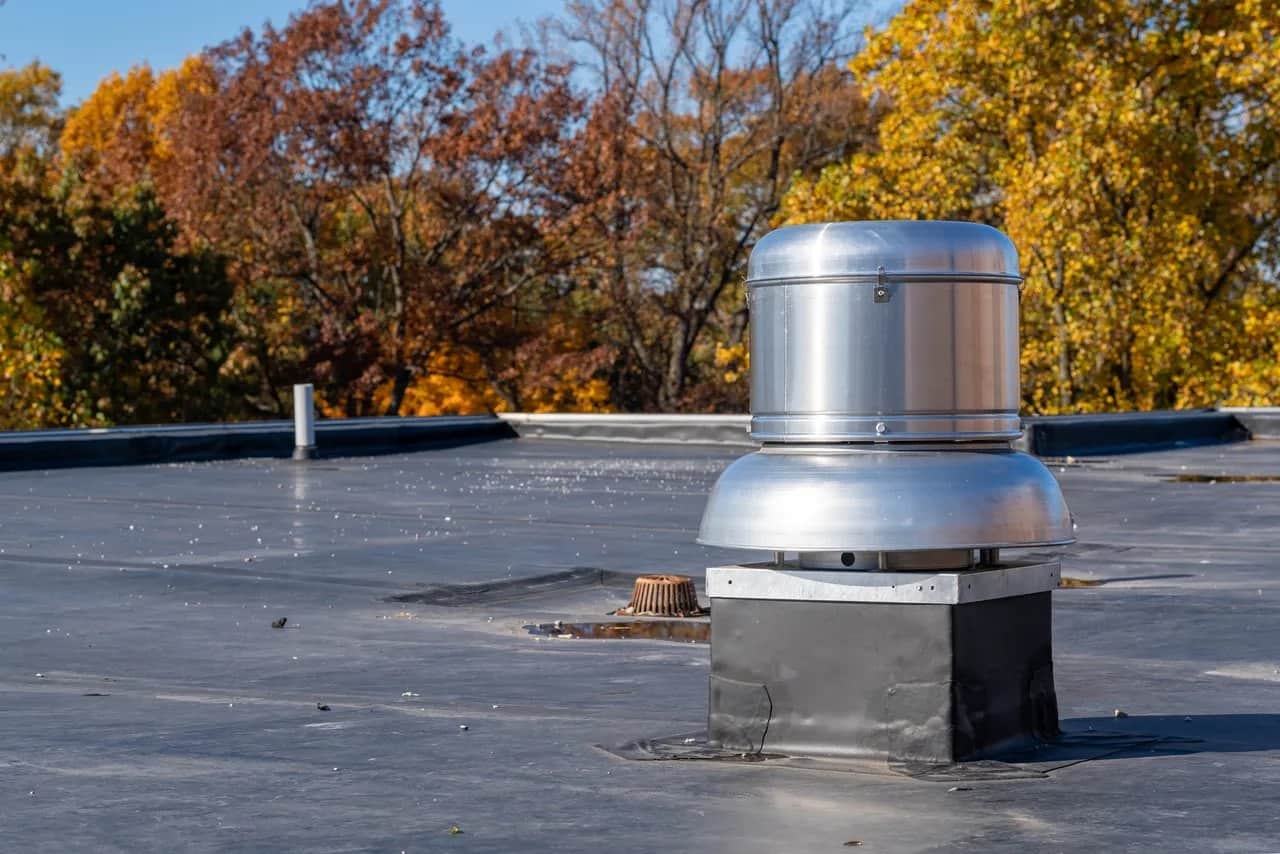
EPDM rubber membrane suits the South Sound's cool, overcast climate, handling thermal cycling with few seams; this overview covers where black rubber fits and what keeps it watertight on Tacoma roofs.

Modified Bitumen SBS in Tacoma, WA
Modified bitumen layers a tough, multi-ply surface that stands up to maintenance traffic on Tacoma roofs; this overview explains where APP and SBS systems fit across South Sound buildings.

Preventive Roof Maintenance in Tacoma, WA
Scheduled drain clearing, seam checks, and debris removal head off most Tacoma leaks; an ongoing maintenance program keeps small problems from compounding into the deck replacement nobody planned for.

PVC Roof Systems in Tacoma, WA
PVC's heat-welded, chemical-resistant surface suits South Sound restaurants and plants with greasy exhaust; this overview covers why the welded seams make it a durable low-slope choice in Tacoma.
Roof Systems
From single-ply TPO and PVC to EPDM, metal, and modified bitumen, this guide compares the roof systems that fit South Sound buildings, matching each to Tacoma's wet climate, building use, and budget.

Standing Seam Metal Roofs in Tacoma, WA
Standing seam metal sheds Pacific Northwest rain with concealed fasteners and clean slope changes; this overview covers where it excels and what panel movement and flashing demand on Tacoma roofs.

TPO Roof Systems in Tacoma, WA
Thermoplastic single-ply membranes like TPO and PVC weld into continuous, reflective sheets well suited to South Sound low-slope roofs; this overview compares their fit across Tacoma building types.

TPO Roof Systems in Tacoma, WA
As the most common single-ply on Tacoma low-slope roofs, TPO welds into a continuous reflective sheet; this overview covers thickness, weld quality, and where the membrane performs best in the South Sound.