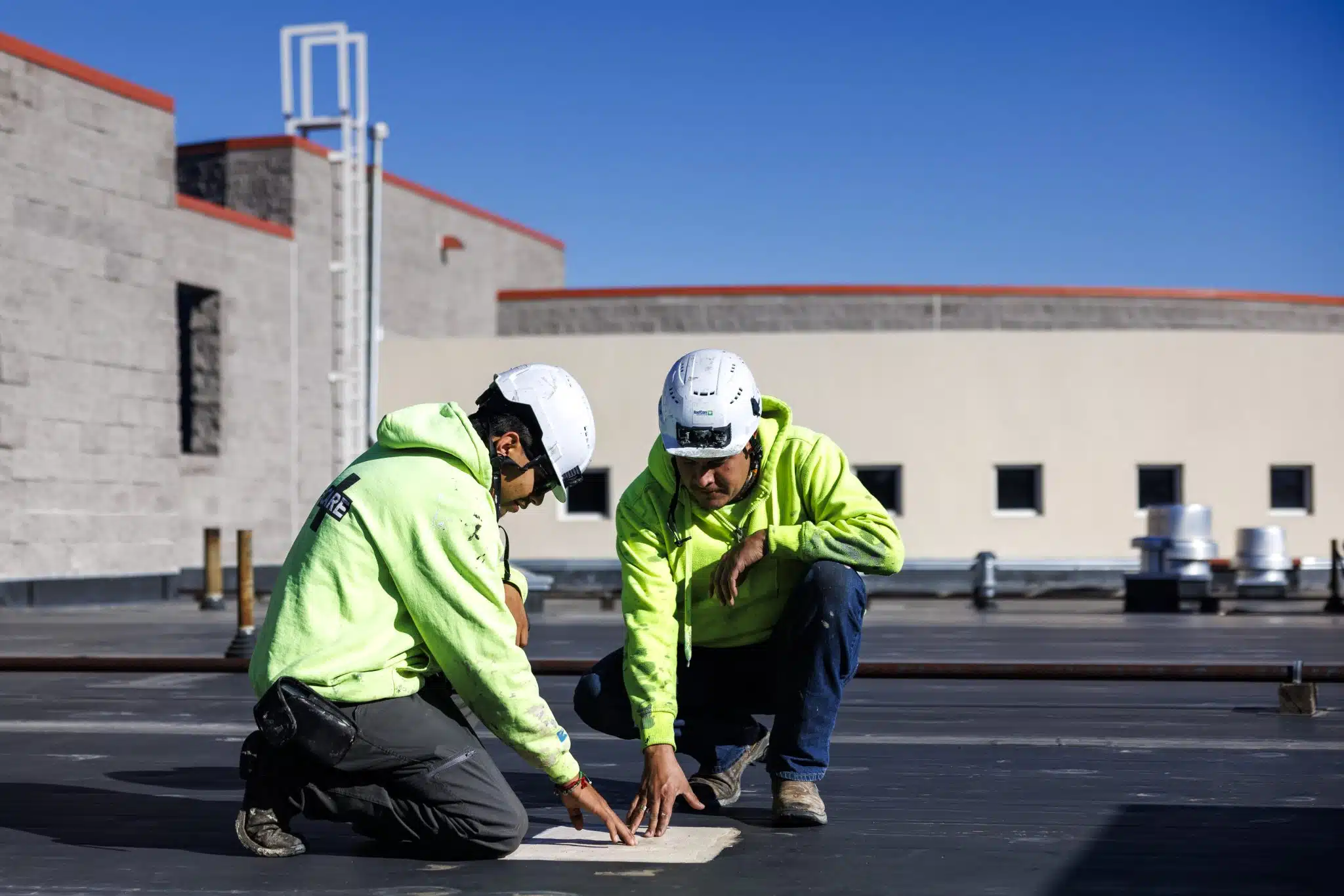
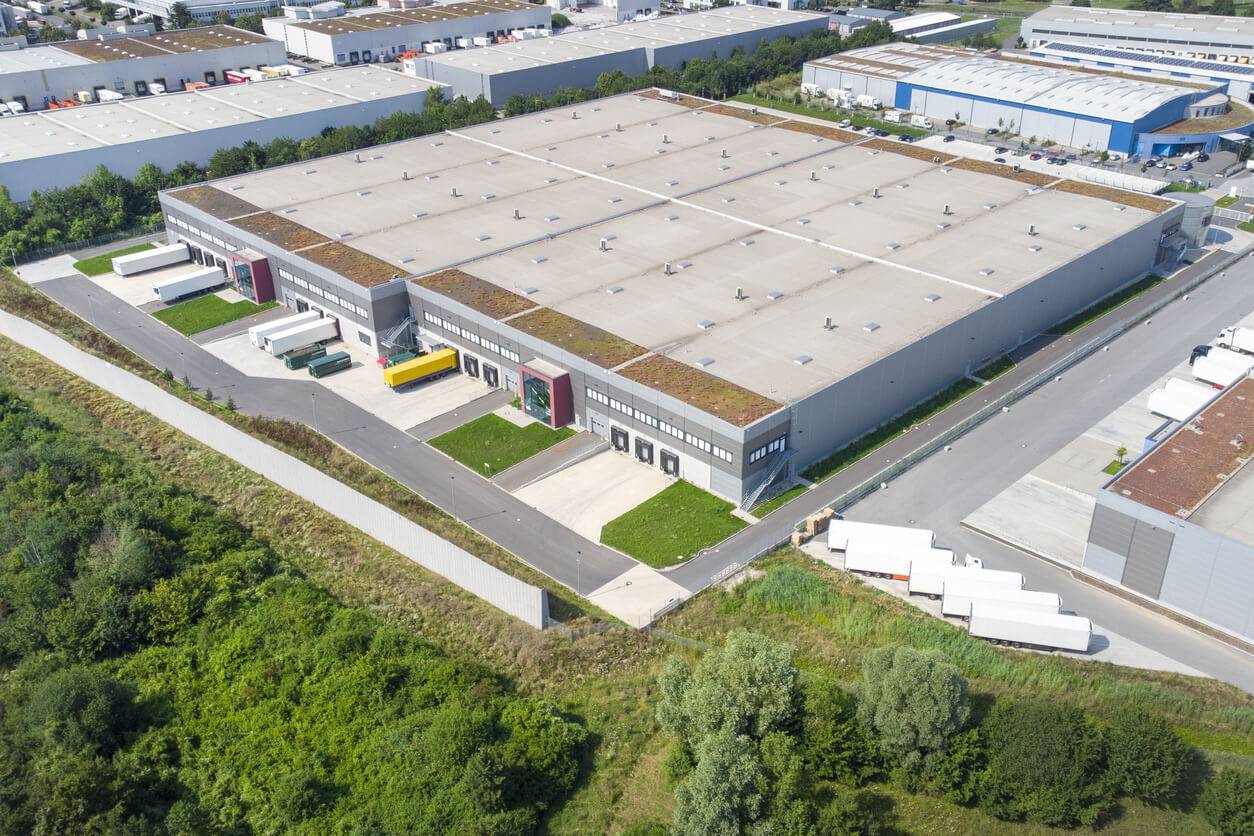
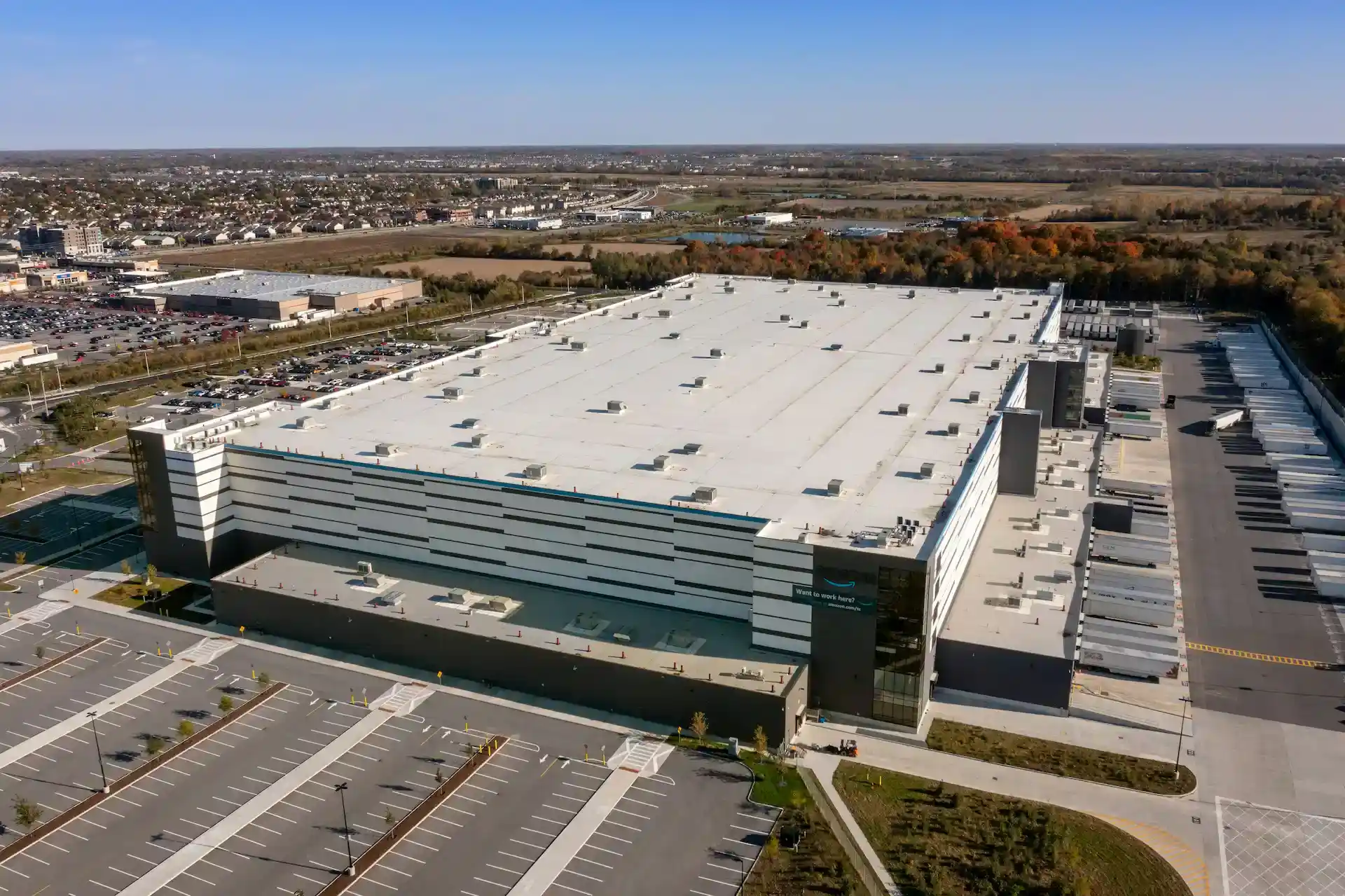
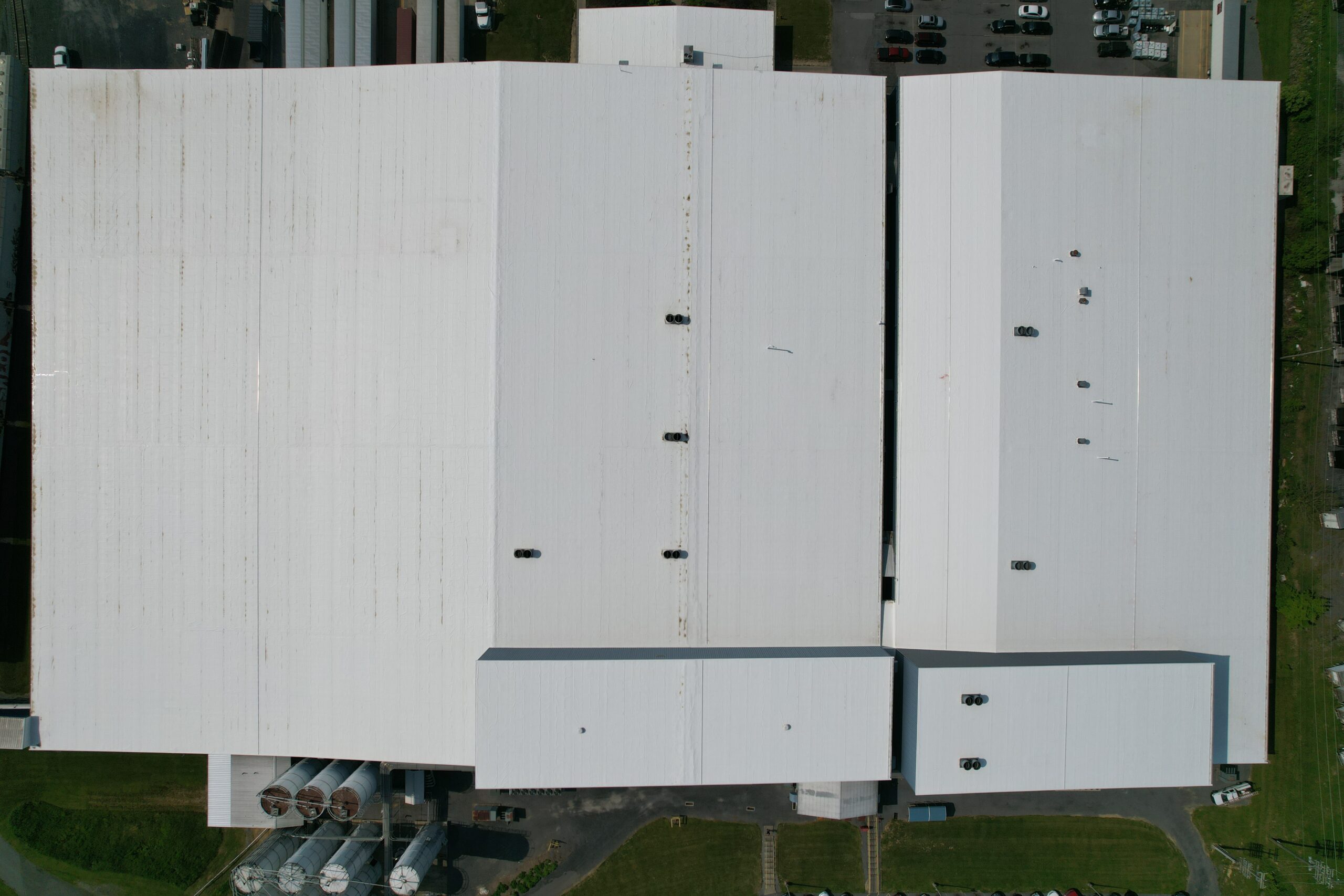
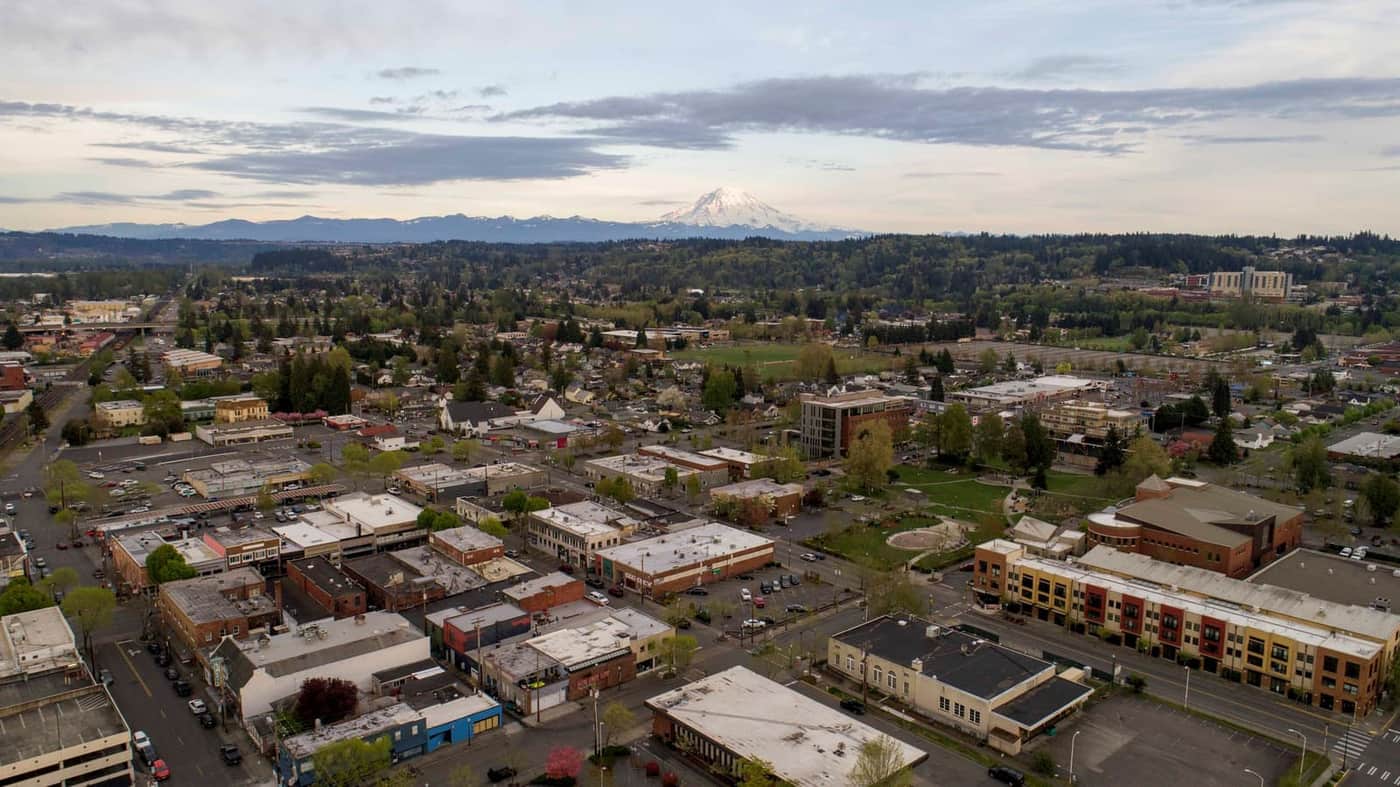
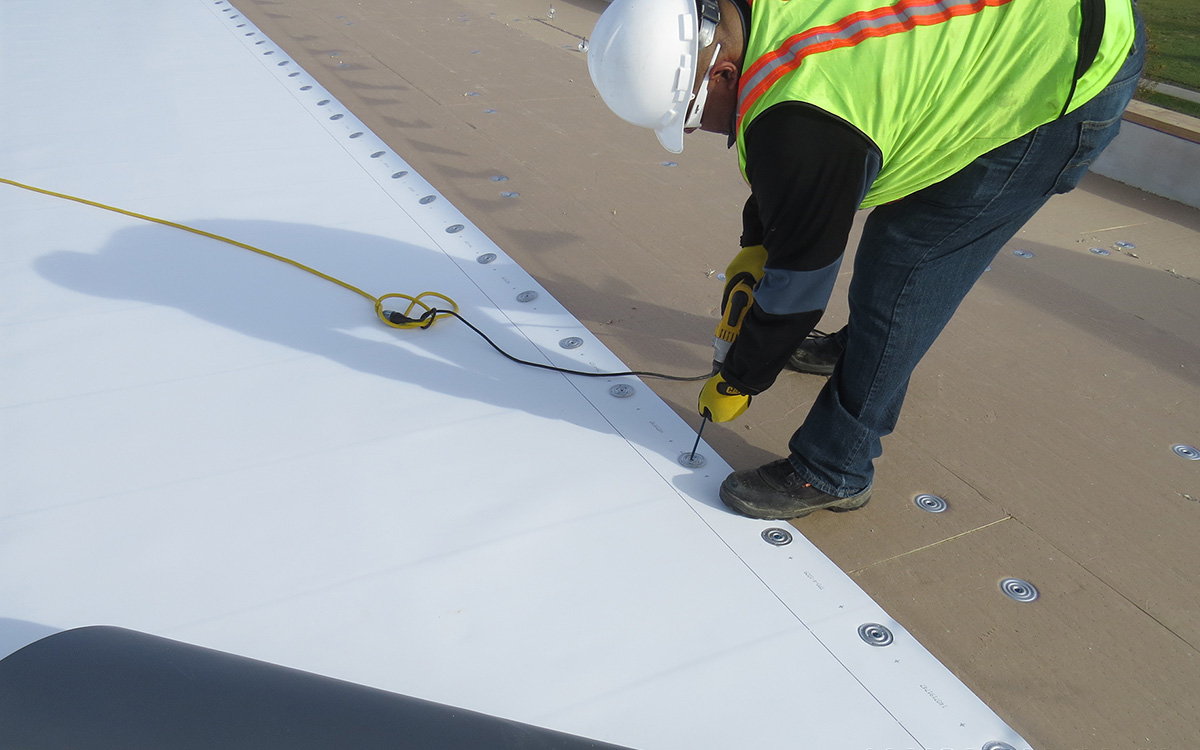
A commercial roof inspection in Tacoma is not a generic checklist exercise — the building stock here is genuinely diverse, and the failure modes that matter on a Port of Tacoma logistics warehouse are completely different from those on a Sixth Avenue retail storefront, a JBLM contractor facility in Lakewood, or a transit-adjacent mixed-use building near Tacoma Dome Station. We structure every inspection around the specific building type, roof system, age, and exposure conditions before we set foot on the membrane.
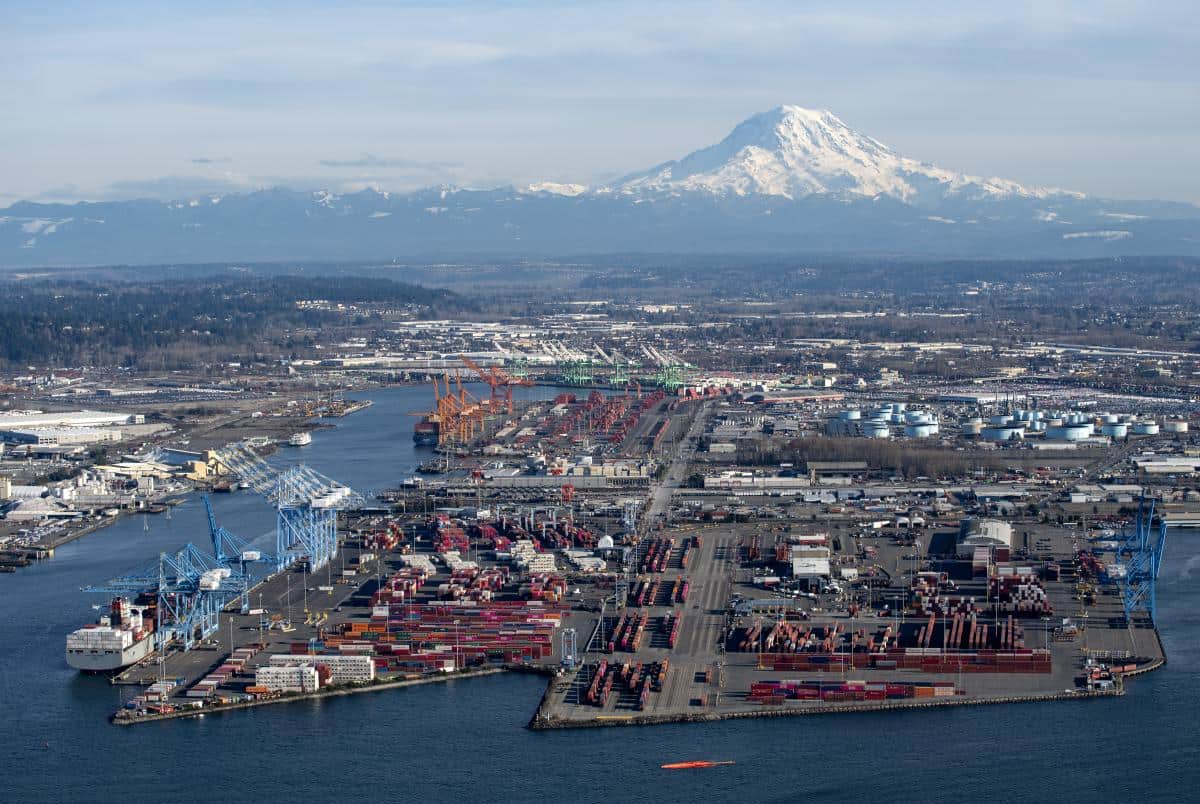
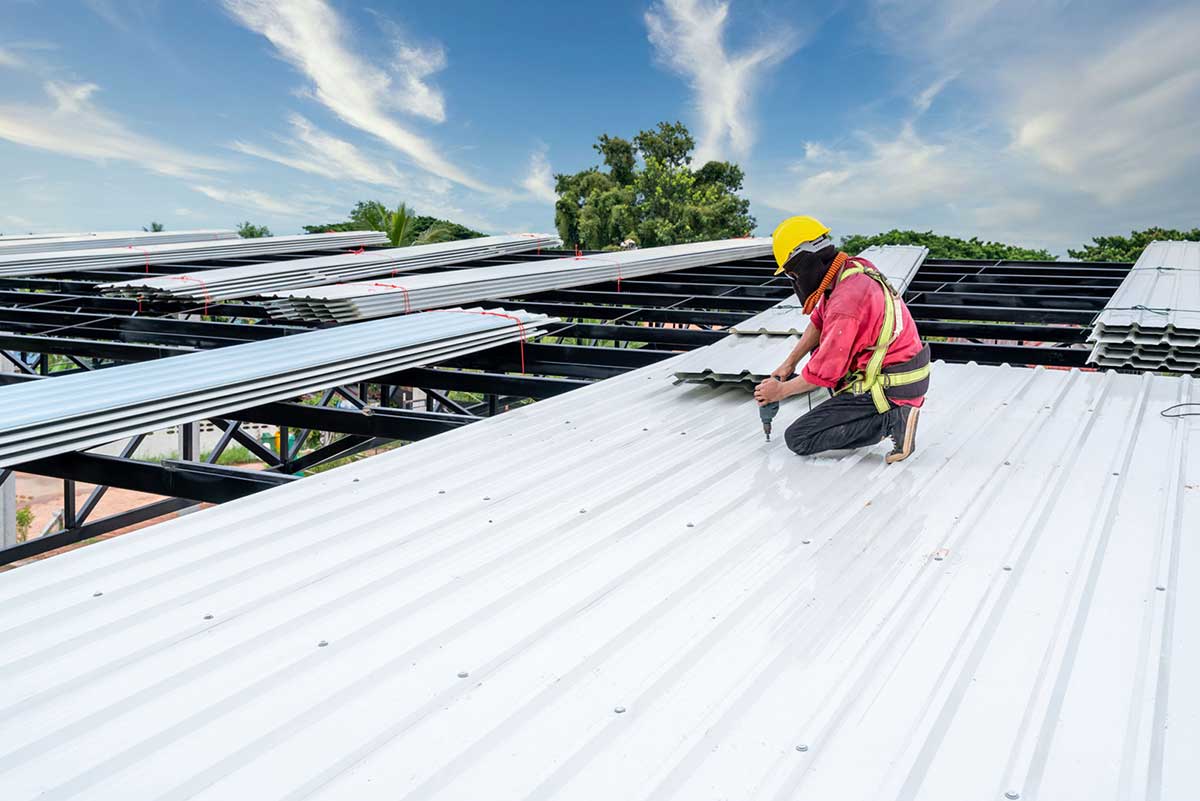
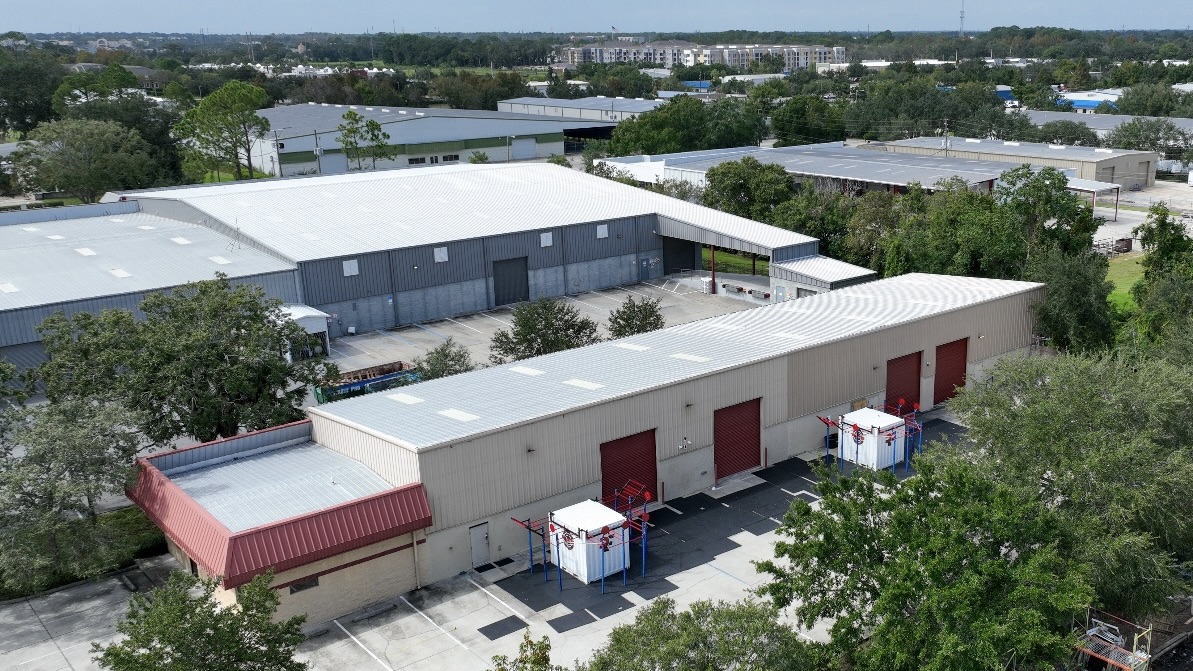
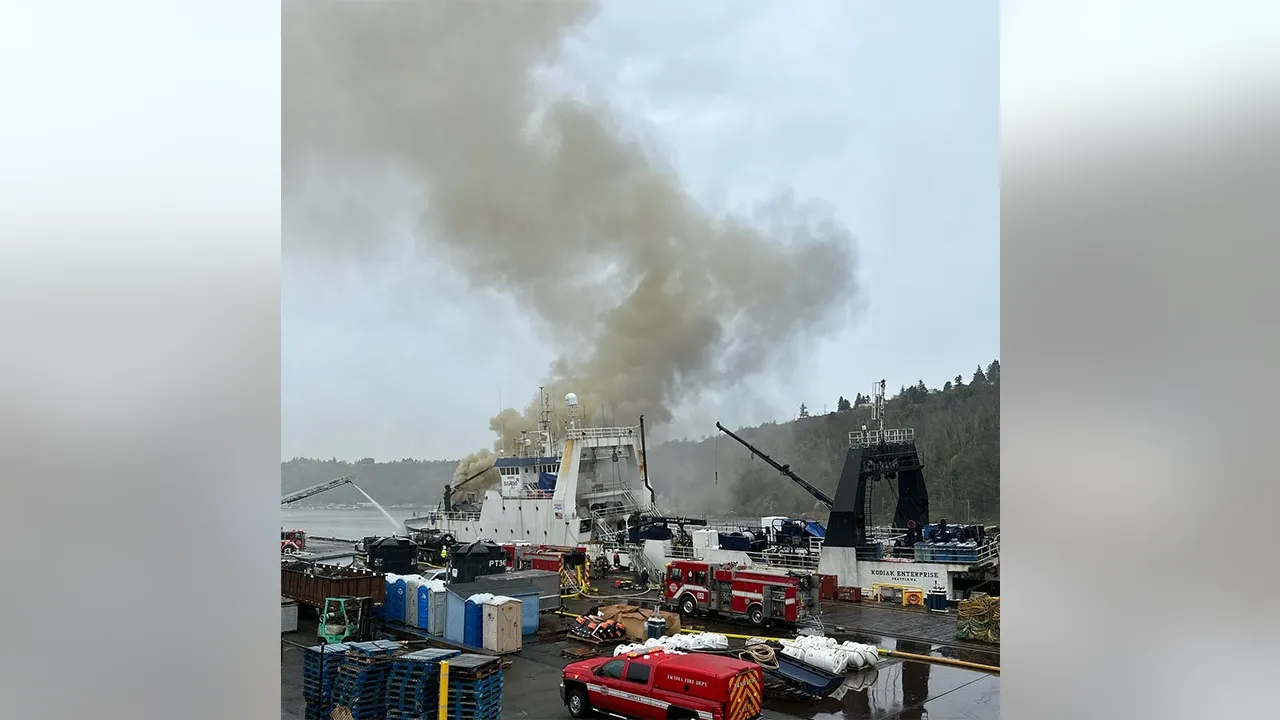
For port and industrial buildings — the large-format warehouses along Marine View Drive, the Tideflats manufacturing facilities, and the Frederickson Industrial Center buildings — the inspection priorities are fastener condition on metal roofs, drain sump clearance and sizing, edge metal corrosion from marine air exposure, and the condition of penetration flashings around the dense HVAC and exhaust equipment that industrial buildings carry. A 200,000-square-foot warehouse roof with 40 penetrations and six interior drains requires a systematic grid-walk to document every condition — we do not trust a windshield survey or a cursory perimeter walk on buildings of this scale.
JBLM contractor buildings in the Lakewood, Spanaway, and University Place corridor present a specific inspection challenge: access coordination. Many of these buildings require advance notice, badging, or escort for non-tenant contractors. We schedule inspections with sufficient lead time to complete the access paperwork, and we document findings in the format that facility managers and government lessees require — typically a written condition report with photos keyed to a roof plan drawing, rather than informal notes.
Tacoma Dome District buildings — the mixed-use commercial, office, and light industrial stock clustered around the transit hub — tend to be a mix of ages and systems. We find BUR on buildings from the 1970s sitting next to TPO-covered additions from 2010 on the same structure. An inspection on these properties has to cover the interface between old and new systems, because the transition flashing between a legacy BUR field and a newer single-ply addition is one of the highest-probability leak locations on any mixed-system roof.
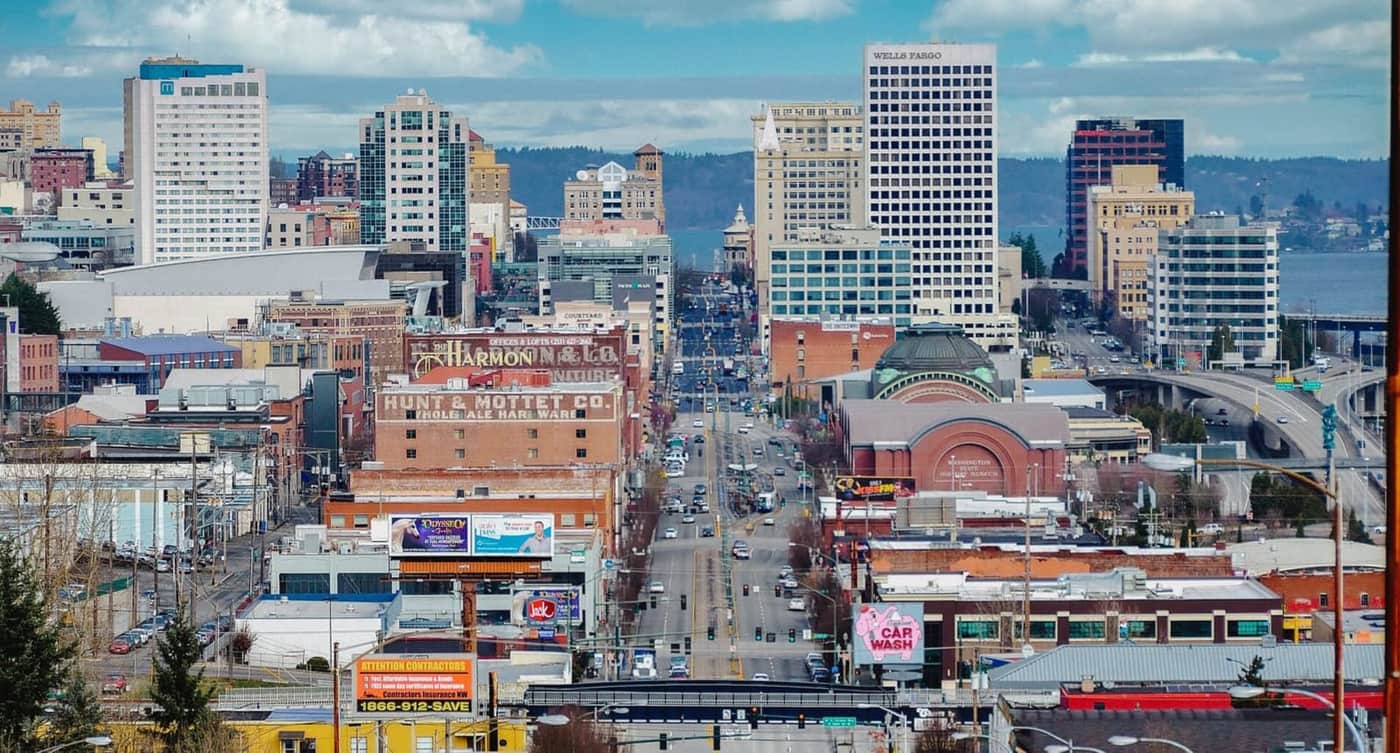
Retail buildings — Tacoma Mall and the surrounding Pacific Avenue commercial corridor, plus the neighborhood retail clusters in the Proctor District and Sixth Avenue — are inspected with an emphasis on HVAC curb flashings, rooftop equipment condensate drainage, and parapet cap conditions. Retail buildings accumulate rooftop equipment over time as tenant fit-outs add supplemental HVAC, and each penetration cut into the membrane without proper re-flashing is a potential entry point. We inventory every penetration against the building's original permit drawings when available.
Waterfront properties along the Thea Foss Waterway and Old Town Tacoma face the highest marine air corrosion exposure in the Tacoma market. Inspection on these buildings always includes close examination of edge metal, through-wall scupper conditions, and any metal coping at parapets. Galvanic corrosion between dissimilar metals — aluminum copings fastened with steel screws, for example — progresses visibly within five to seven years on directly bay-facing buildings. We document metal condition with photos and note fastener type and condition for every perimeter condition we can access.
Infrared scanning is a standard part of our inspection protocol on any roof over 10,000 square feet where the owner is considering a repair program, re-cover, or replacement. The scan identifies wet insulation that is invisible to a walking survey and changes the repair-versus-replace calculus fundamentally. We conduct infrared scans after sunset when the temperature differential between wet and dry insulation is greatest — scheduling a 9 PM arrival at a Port facility or industrial building is normal practice for us.
Every inspection produces a written report with findings organized by priority: immediate action required, action within 90 days, monitor at next inspection. We provide photo documentation tied to a roof diagram, a summary of estimated repair costs by priority tier, and a remaining useful life estimate for the existing system. Owners managing multi-building portfolios across Pierce County use our inspection reports as budget inputs for capital planning cycles.
Questions Owners Ask
How often should a commercial roof in Tacoma be inspected?
Twice per year is the standard we recommend for most Tacoma commercial buildings — once in late summer to identify and address issues before the November rainy season begins, and once in early spring to assess winter damage. Port and Tideflats buildings with marine air exposure, and any building with a history of leaks, benefit from three inspections per year. Buildings under active maintenance programs typically get a brief drain-clearing visit in October as well.
What does a commercial roof inspection cost in Tacoma?
Inspection fees depend on roof size, system complexity, and whether infrared scanning is included. A straightforward inspection on a single-system building under 20,000 square feet runs less than a large industrial building with multiple roof levels, mixed systems, and 40-plus penetrations. We quote inspections based on building footprint and access complexity. The cost of a missed failure — a November emergency repair or business interruption from interior water damage — dwarfs the inspection fee on any building.
Can you inspect a roof while the building is occupied and operating?
Yes, and the majority of our inspections happen on occupied buildings. Roof-level inspection does not require interior disruption. The exception is infrared scanning, which requires access during nighttime hours and may require brief interior access to correlate thermal anomalies with interior ceiling conditions. We coordinate all access with facility management in advance.
What is included in your inspection report?
Our reports include a written condition narrative, photographs keyed to a roof plan, a prioritized deficiency list with recommended action timelines, a remaining useful life estimate for the current system, and a rough-order cost range for identified repairs. For portfolio owners, we can provide reports in a standardized format that feeds into capital planning spreadsheets or asset management software.
Do I need an inspection before filing a wind or storm damage insurance claim?
A documented pre-storm condition inspection is strong evidence in any insurance claim because it establishes baseline condition before the event. If you do not have a recent pre-storm inspection, a post-event inspection documenting fresh damage indicators — fractured membrane, displaced flashing, impact marks — is still valuable. We provide inspection reports formatted to support insurance claim submissions and can speak with your adjuster's field inspector if needed.
Collect the details that shape safe dispatch
A useful intake for Local Roofers identifies who can grant access, where water is entering, what operations are affected, whether electrical or ceiling hazards exist, how the symptom changes with weather, and which roof records or photographs are available. If the building has prior reports, warranties, repair invoices, roof plans, or known drain locations, those records can shorten the investigation. They should be treated as history to verify, not as proof that the present failure has the same cause. The response plan should match the reported condition without promising a cause, permanent repair, or arrival time that has not been verified. Dispatch clarity is valuable precisely because it avoids unsupported assumptions.
Define scope and pricing boundaries
Pricing is easier to evaluate when the scope shows which conditions were measured, which were observed but not opened, and which remain concealed. Unit prices or allowances can address uncertainty without pretending the quantity is already known. Exclusions should not function as an escape hatch. Each exclusion needs a reason and, where practical, a defined way to resolve it through testing, access, document review, engineering, or a unit-price condition discovered during construction. A reviewable proposal lets ownership compare boundaries, evidence, materials, quantities, disruption, and closeout—not just totals. The goal is a scope that remains understandable after the salesperson leaves the room.
Why local exposure changes the field plan
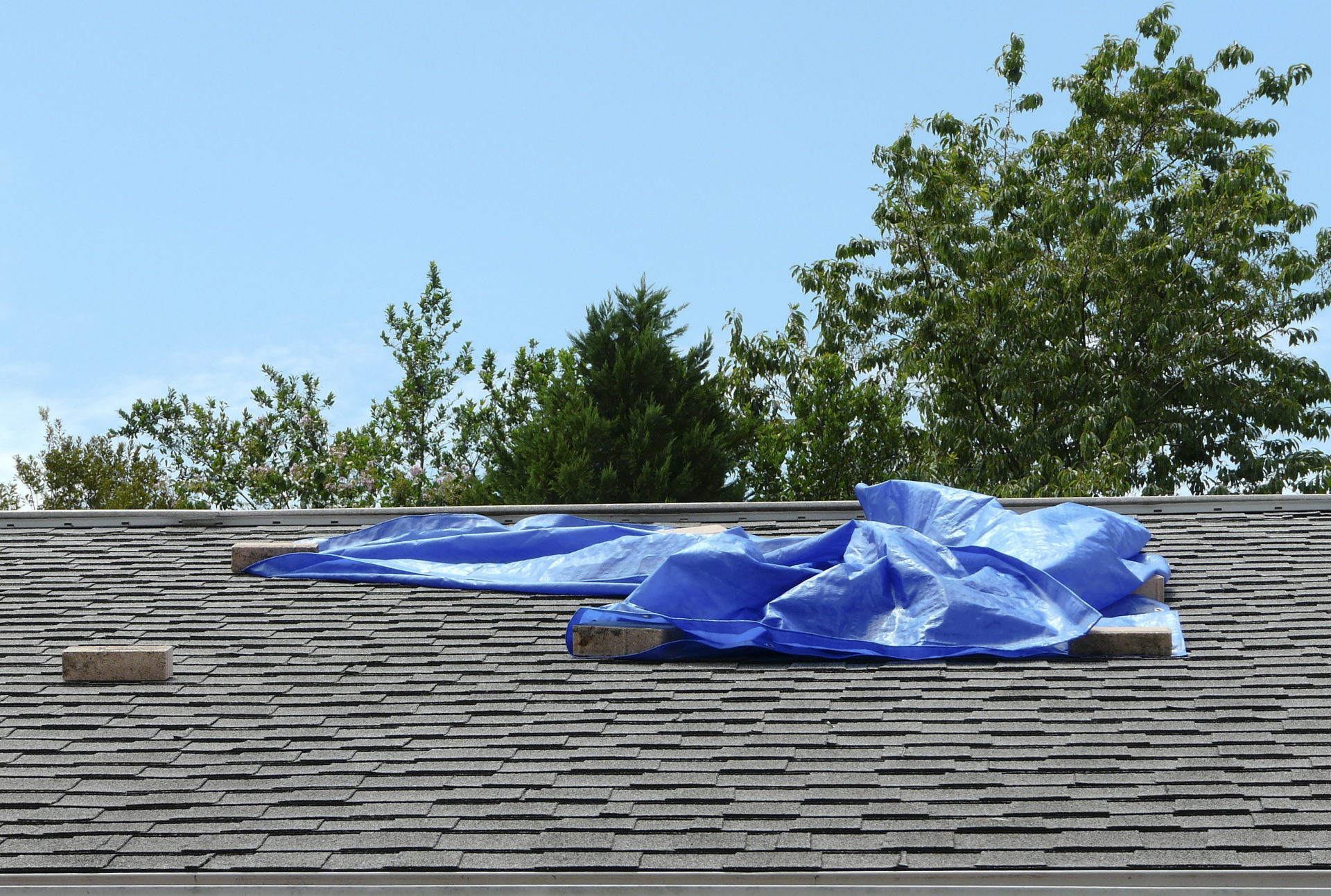
Tacoma, WA roofs work through extended wet periods, wind, seasonal debris, cool-weather installation limits, and recurring drainage demand. That exposure guides the field sequence, but it does not by itself explain an active leak, repeated service calls, an acquisition review, a restoration decision, an approaching warranty milestone, or a budget that needs defensible roof priorities. The review should connect the time and location of water entry with roof zones, elevations, drainage paths, and construction transitions. That map helps distinguish one isolated defect from several conditions activated by the same rainfall. The first service call should create evidence that remains useful after the immediate problem is gone. Record what was observed, what remains an inference, and what weather, access, equipment, overburden, or concealed construction prevented the crew from confirming.
Document the condition before choosing the scope
A decision-grade Tacoma roof record includes roof-area plans, system and deck information, observed defects, photographs, moisture evidence, drainage, repair history, immediate priorities, budget assumptions, and recommended follow-up. Conditions should be organized by roof area and priority rather than buried in a chronological photo dump. The field sequence is to divide the roof into usable zones, compare interior history with exterior conditions, inspect drainage and details, and record defects in a way another decision-maker can follow. Photographs should show context and detail, and test locations should explain what question was being answered and how the opening was closed. Temporary protection, permanent repair, routine maintenance, and capital recommendations belong in separate sections. This keeps a successful dry-in from being mistaken for the completed repair and lets competing proposals be compared on the same basis.
Treat each roof assembly on its own terms
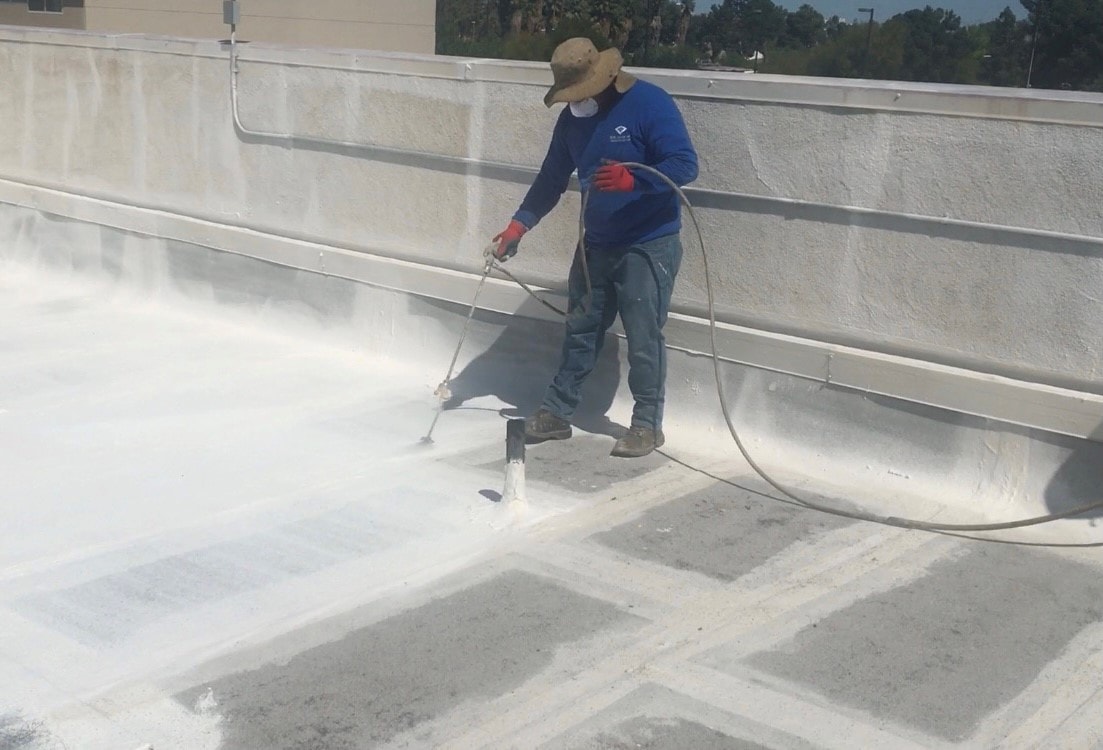
A detail that is repairable on Silicone Roof Coating Systems may require different preparation or materials on TPO 60 Mil Roof Systems or Fleeceback TPO Roof Systems. Existing layers, surfacing, attachment, and earlier repair products matter before new materials are selected. The scope should name the membrane or surface that was actually observed, identify unknown construction, and check compatibility before mastics, primers, membranes, or coatings are specified. Core information may be necessary when layers and attachment affect the option set. The final comparison should show which materials can accept repair or restoration, which areas need removal, and which unknowns could change the scope. Product preference comes after those conditions are established.
Roof work has to fit real operations
Building operations change how the same roof work is performed. On Retail And Shopping Center Roofing, Automotive Dealership Roofing, or Restaurant Roofing, access, interior sensitivity, security, and working hours can define the safe sequence. Document roof access, sensitive rooms and inventory, deliveries, public entrances, tenant hours, exhausts and air intakes, interior evidence, and the route used to move tools and debris. These conditions belong in the written scope before scheduling. Operating controls are roof-quality controls. Water, debris, odor, noise, or an unsecured access point can harm the owner even when the installed detail itself is correct, so those risks need owners and closeout checks.
Make repair, restoration, and replacement distinct decisions
The recommendation must answer what needs action now, what can be maintained, what is eligible for restoration, and what belongs in a replacement budget. An isolated repair, repair program, restoration, recover assembly, and full replacement solve different condition patterns and should not be presented as interchangeable price levels. The option matrix should address present failure, remaining risk, investigation still required, installation disruption, anticipated service interval, and future maintenance. Unknown inputs should be visible rather than buried in an allowance. A smaller scope is not automatically prudent, and a larger scope is not automatically safer. The defensible option is the one whose boundaries match the documented condition and the owner's operating requirements.
Turn the visit into a usable next step
The practical handoff is a written repair, restoration, replacement, or service-agreement path tied to the inspection findings. The next person should receive the property address, roof-area identifiers, contacts, access notes, photographs, temporary measures, completed work, open recommendations, and timing. For one building, that history makes the next visit faster and reveals whether a repair held. Across a portfolio, it lets ownership rank roofs by condition, operational risk, repair spending, and capital timing instead of reacting to the newest ceiling stain. Local Roofers can keep inspection and maintenance active while repair, restoration, or replacement moves through a separate project opportunity. The path remains response, evidence, the right scope, closeout, and the next scheduled roof decision.
Tacoma decision checklist
- Map the interior symptom to a named roof area before selecting a repair detail.
- Record temporary measures separately from permanent work and list every open item.
- Verify drainage, penetrations, walls, edges, earlier repairs, and transitions around the affected area.
- State the observed roof assembly, unknown construction, access limits, and testing assumptions.
- Connect the recommendation to repair, restoration, replacement, maintenance, or capital-planning thresholds.
- Set the next inspection or follow-up date so the roof history continues after this visit.
Commercial roof decision questions
Does this condition automatically mean the roof must be replaced?
No. The review should establish what needs action now, what can be maintained, what is eligible for restoration, and what belongs in a replacement budget. Replacement becomes a defensible recommendation only when the field evidence, moisture, assembly condition, repair history, deck or attachment concerns, and lifecycle comparison support it.
What should the Tacoma roof scope document?
It should document roof-area plans, system and deck information, observed defects, photographs, moisture evidence, drainage, repair history, immediate priorities, budget assumptions, and recommended follow-up. It should also label temporary and permanent work separately, state assumptions and exclusions, and identify the inspection or service step that follows the current scope.
How does an urgent call become a maintenance or capital plan?
The immediate visit creates the first roof-area record. A follow-up inspection establishes condition and priorities. Completed repairs, recurring observations, drain service, warranties, and future recommendations are then retained so maintenance stays scheduled and larger work can be placed into the appropriate capital year.
From service call to roof plan
Use the next decision, not the biggest sale.
Stabilize the problem, document the roof, compare the viable paths, and keep the resulting roof history active.