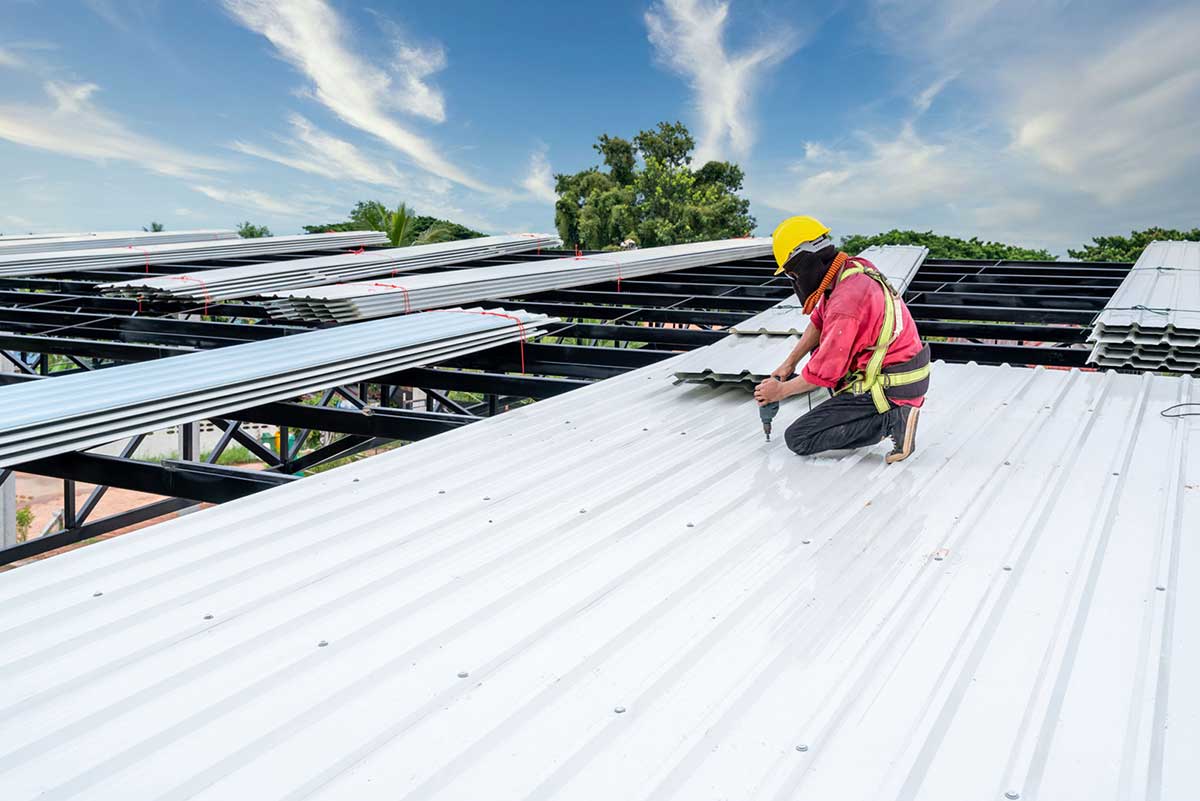
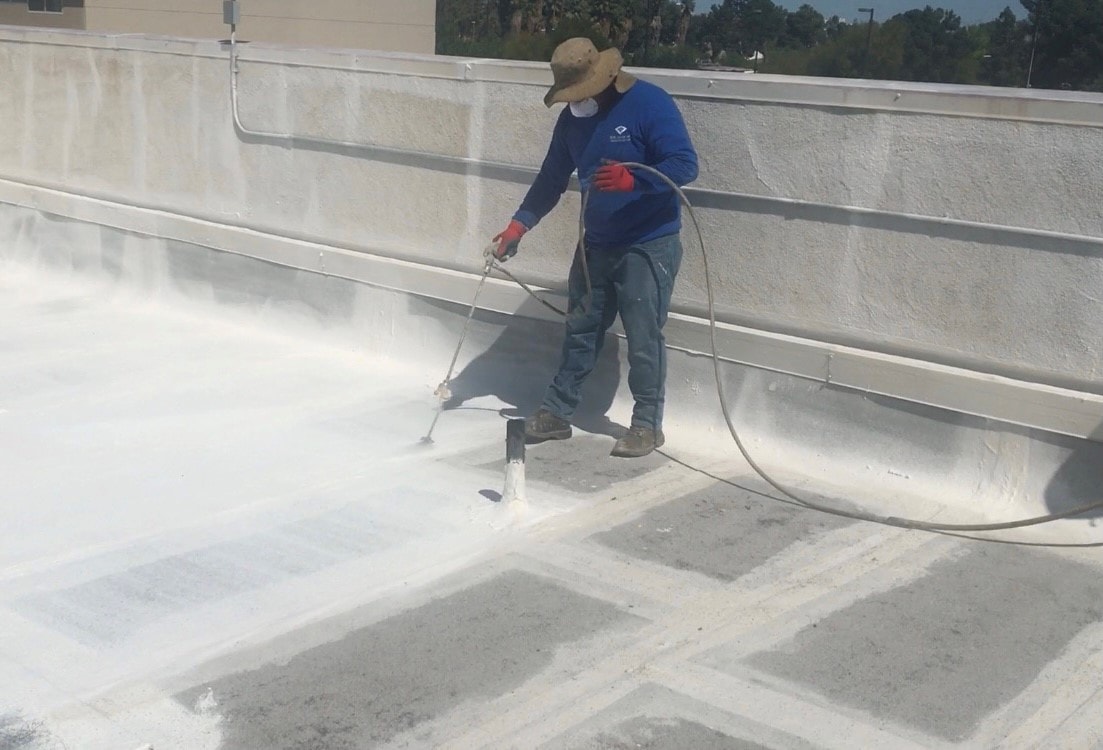
November is the month that tests every commercial roof in Tacoma. With 7.18 inches of average precipitation concentrated into sustained, low-intensity events that can run for days without a break, any defect in a membrane — a lifted lap seam, a failed curb flashing, a corroded fastener — becomes an active leak within hours of the first major storm. Our phones reflect that reality: emergency leak calls spike in the first two weeks of November every year, and the pattern repeats through January, which delivers another 6.06 inches. If your roof is going to fail, it will tell you in those three months.
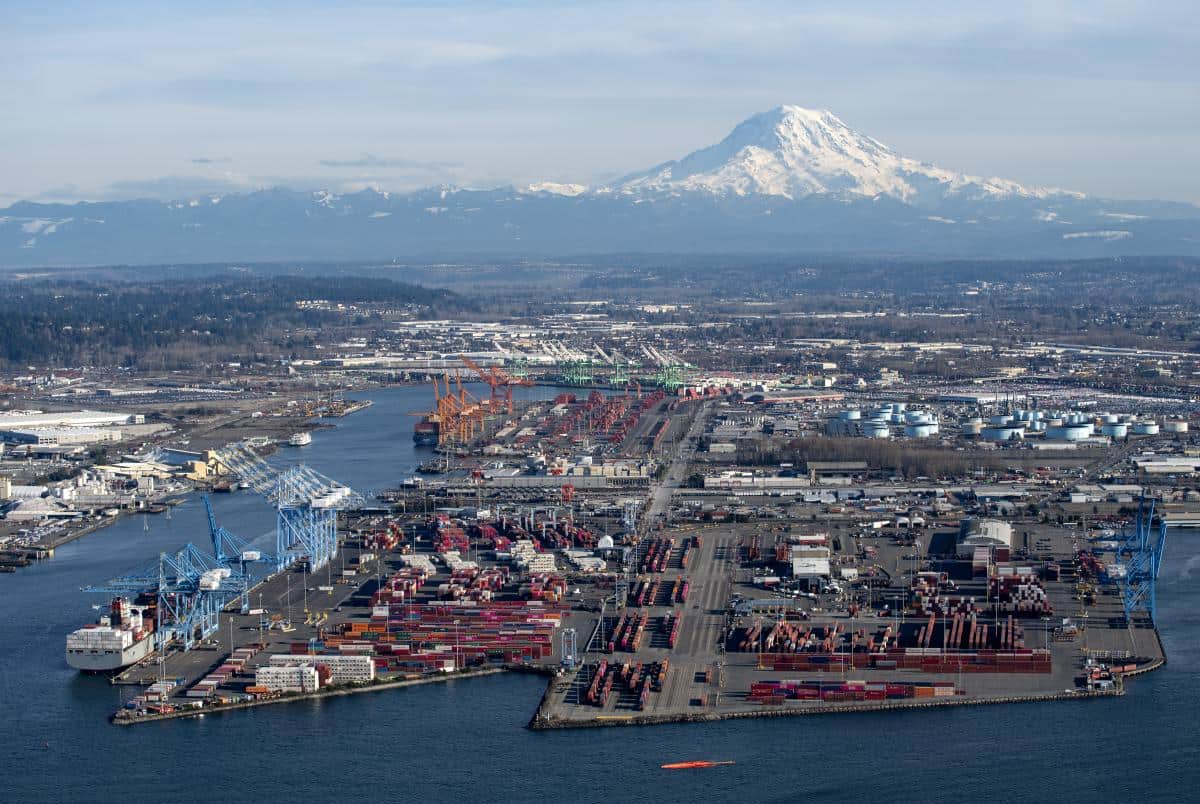
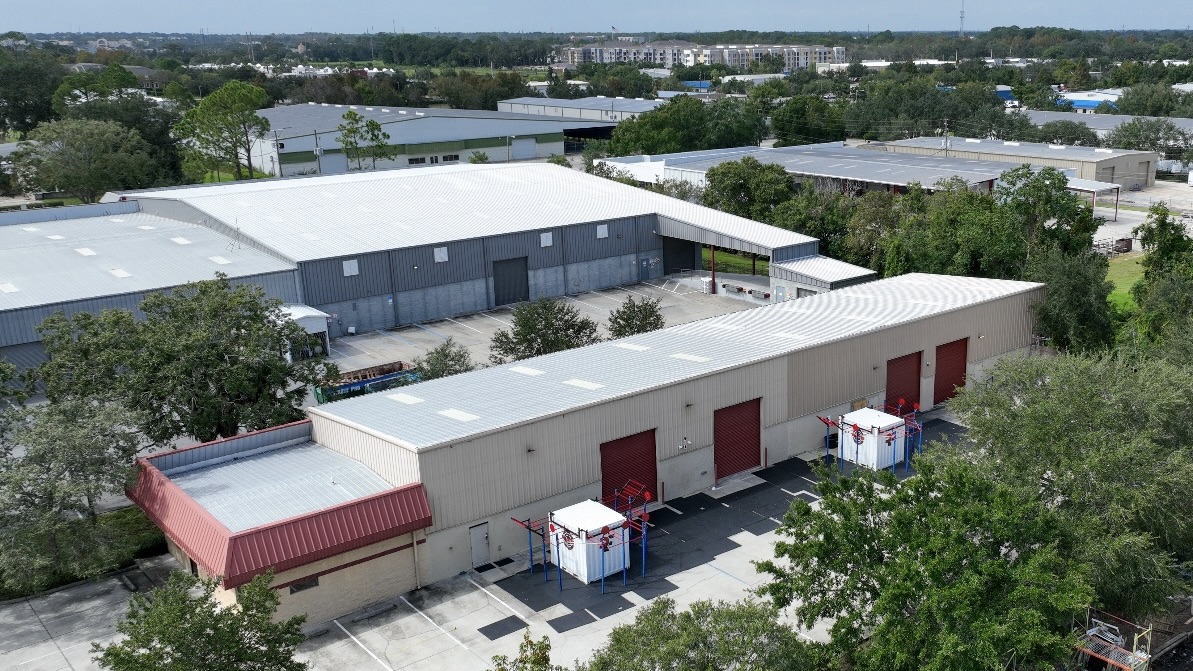
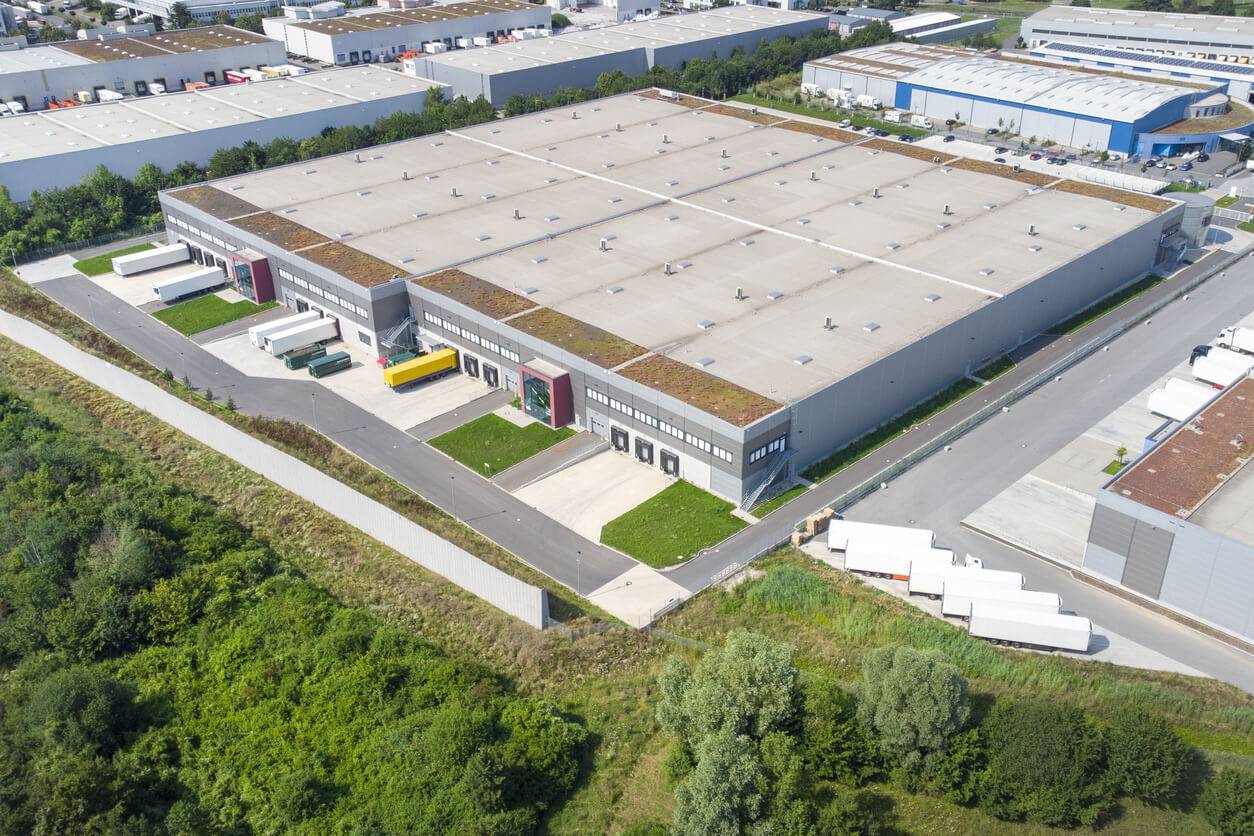
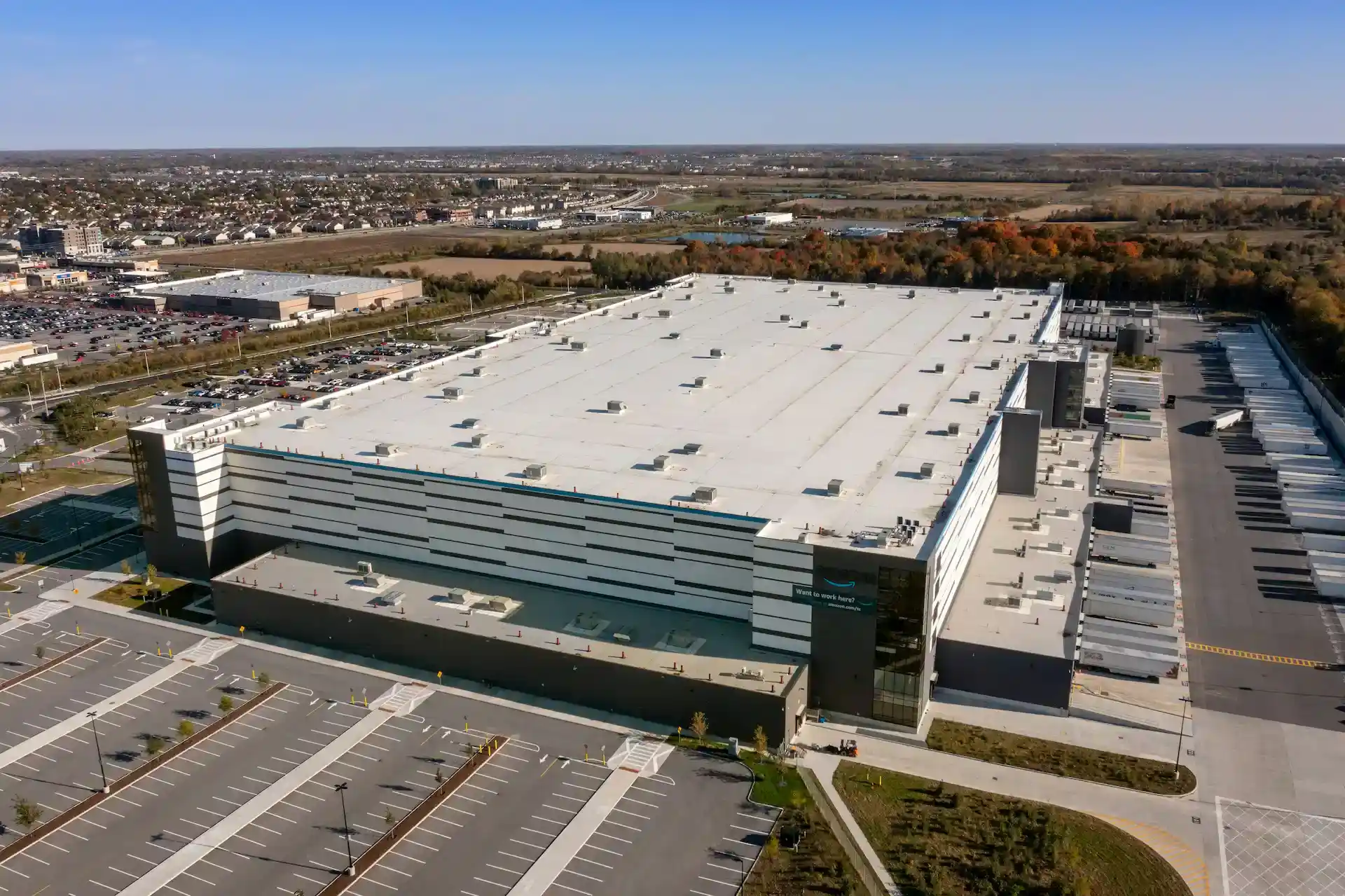
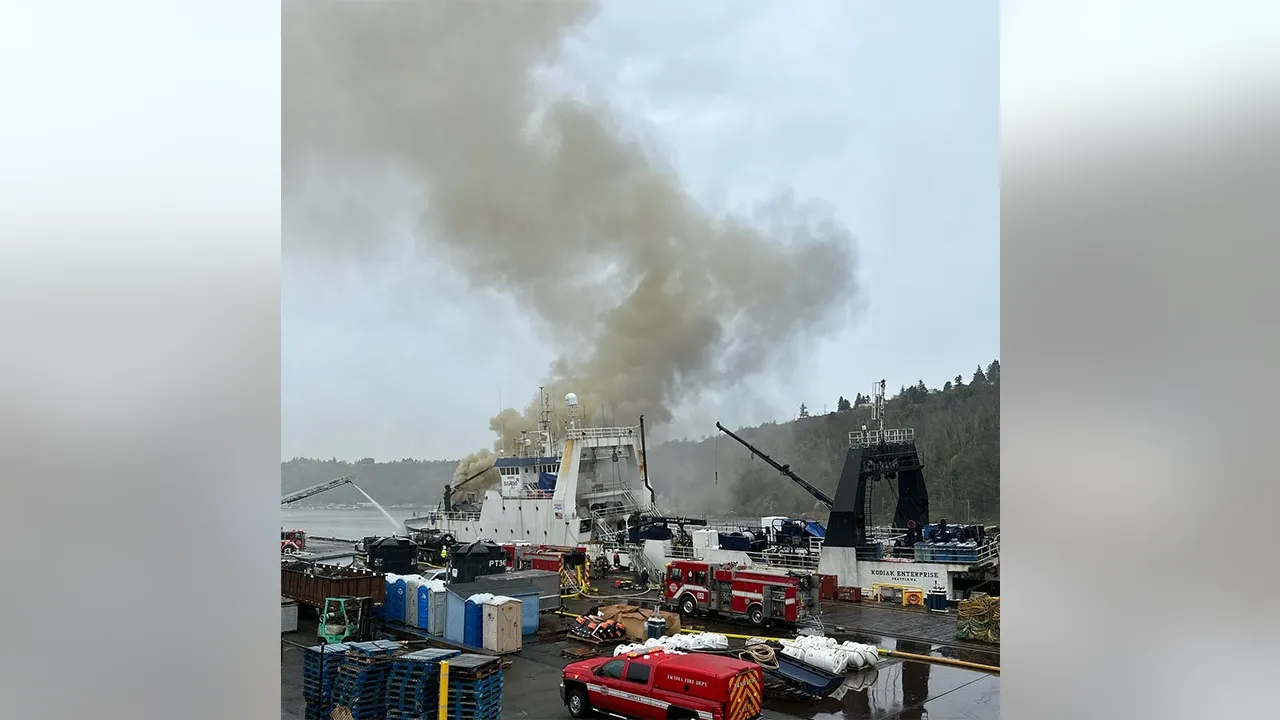
The challenge with emergency leak repair in Tacoma's industrial corridors is access. Port of Tacoma logistics facilities and Frederickson Industrial Center warehouses were built for freight movement, not roofing contractor mobilization. Dock approaches are occupied by truck queues during operating hours. Rail-served buildings on the Tideflats have active rail access on one or more sides that cannot be blocked. Crane pads and laydown yards adjoin building perimeters. Getting a ladder truck or a man-lift into position for emergency roof access on these buildings requires coordination with facility operations that takes time — time that interior equipment and inventory cannot afford during an active water intrusion event.
We manage that access challenge by having the pre-access conversation before the emergency happens. For industrial and port facilities that are in our maintenance program, we have current site access contacts, know the dock schedule, and understand where equipment can stage. When the call comes at 6 AM on a Wednesday in November, we are not starting from zero on access logistics. For facilities that are not in a maintenance program, emergency response time is longer because we are solving the access puzzle and the leak simultaneously.
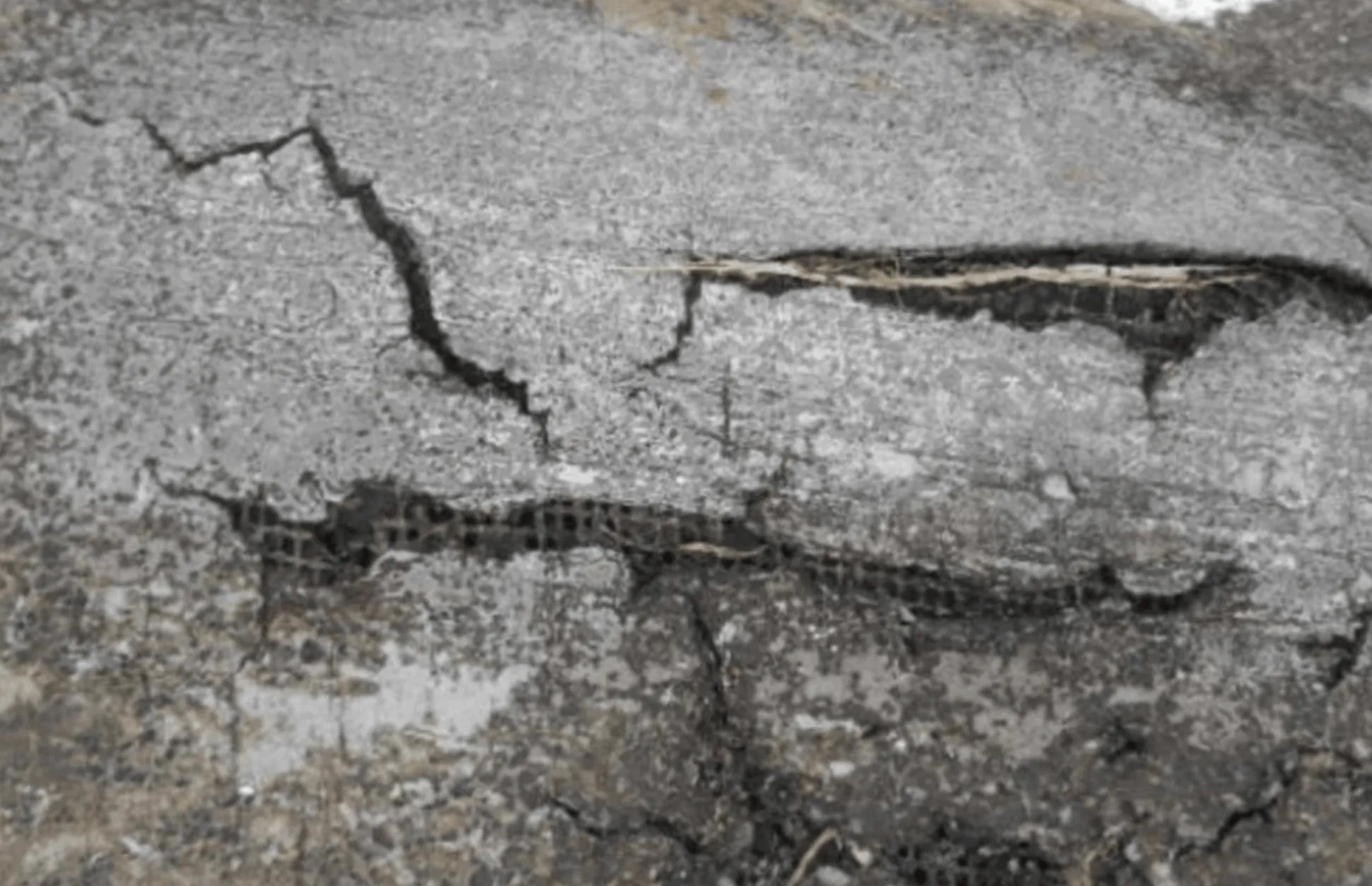
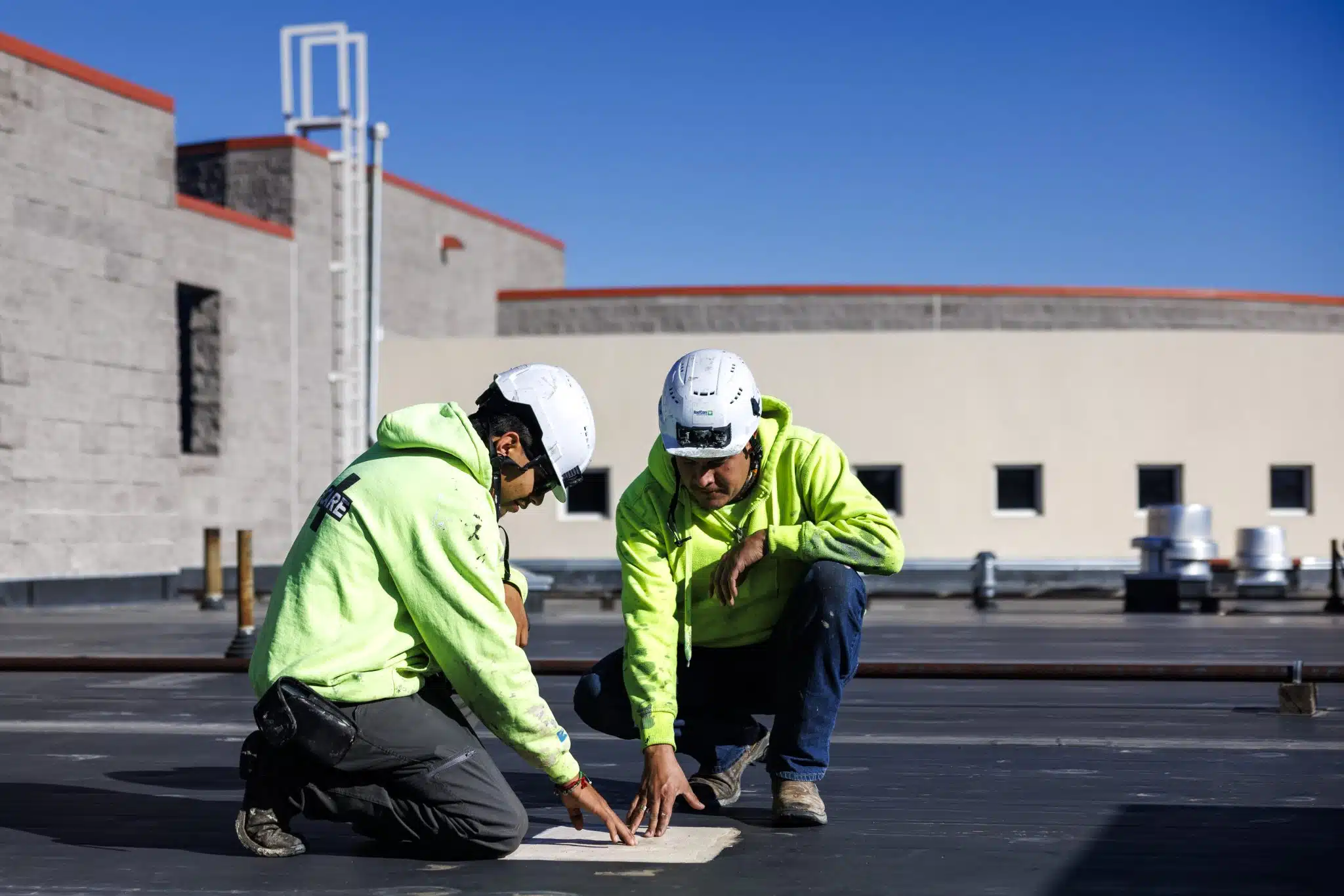
Locating the actual entry point of a commercial roof leak is diagnostic work that cannot be rushed. Water that enters at a failed lap seam on the west slope of a warehouse can travel 30 to 40 feet along a roof deck steel flute before it drops through a fastener hole onto an interior ceiling. The bucket is never directly under the entry point. We trace leaks by examining interior ceiling staining patterns, correlating with roof slope and drainage direction, and then walking the roof surface in the vicinity of the suspected entry zone — probing seams, checking flashings, and looking for fresh debris displacement that indicates a recent disturbance.
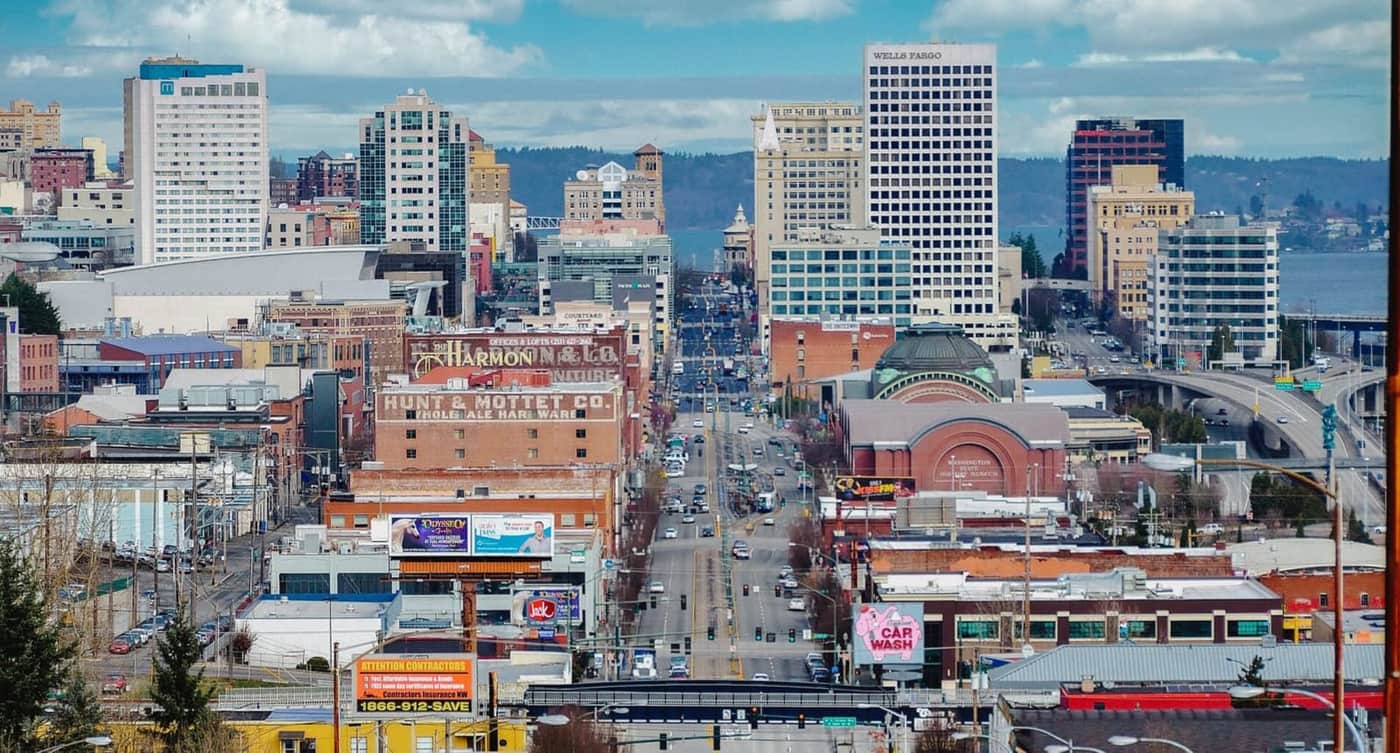
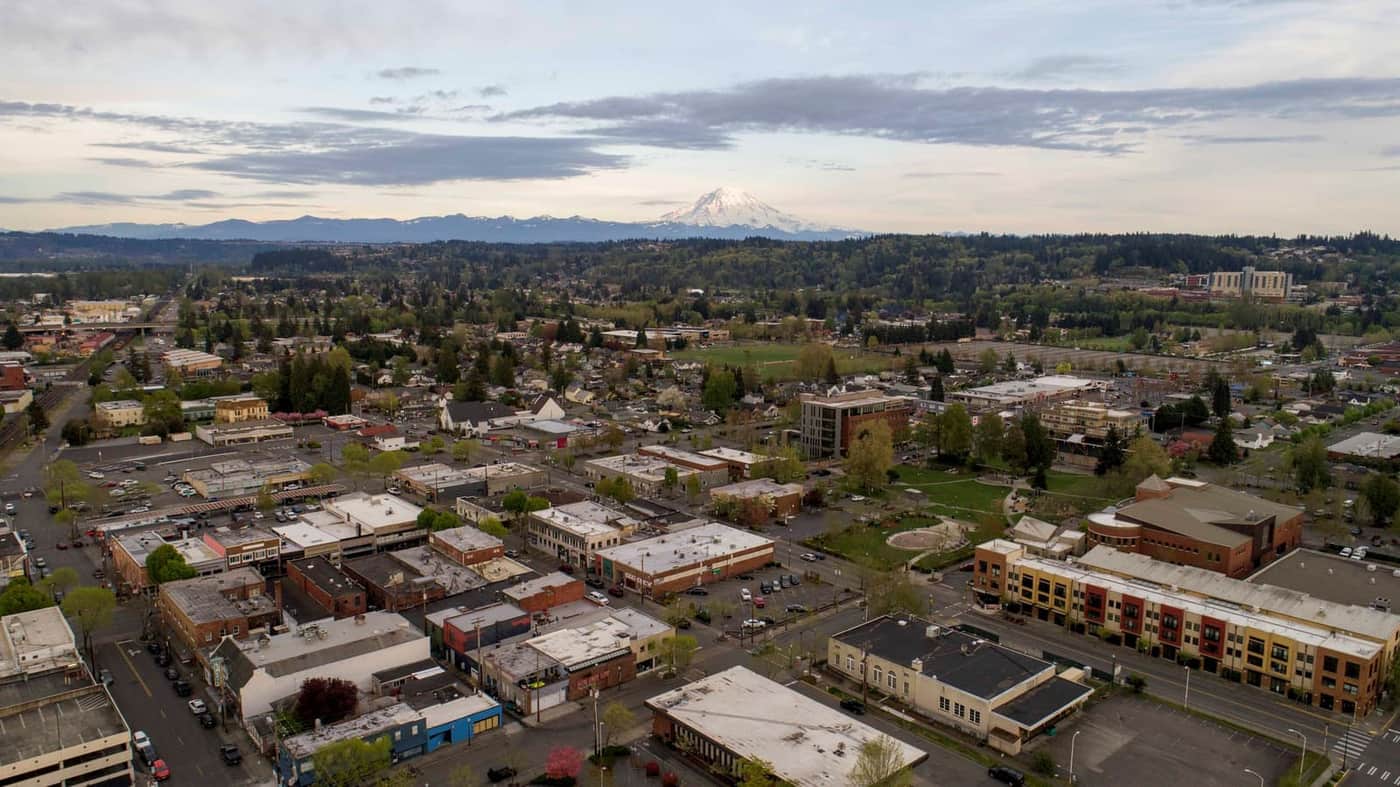
On Downtown Tacoma buildings — the historic masonry commercial blocks on Pacific Avenue and the mixed-use structures near the Stadium District — leak sources are often at the wall-to-roof transition rather than in the field membrane. Parapet base flashings that have separated from the masonry, coping cap joints that have opened, or through-wall scuppers that have lost their counterflashing allow water to enter above the roof level and travel down the interior of the wall before appearing as a ceiling drip. Distinguishing a roof leak from a wall leak is essential before any repair work begins — misidentifying the source leads to unnecessary roof repairs that do not stop the interior water entry.
JBLM contractor buildings in Lakewood and Spanaway present both access coordination requirements and, sometimes, building-specific constraints on repair materials. Certain facility leases specify approved contractors or approved material systems. We verify material requirements with the facility manager before mobilizing repairs to avoid a situation where an emergency repair must be redone because the material used was not on the approved list.
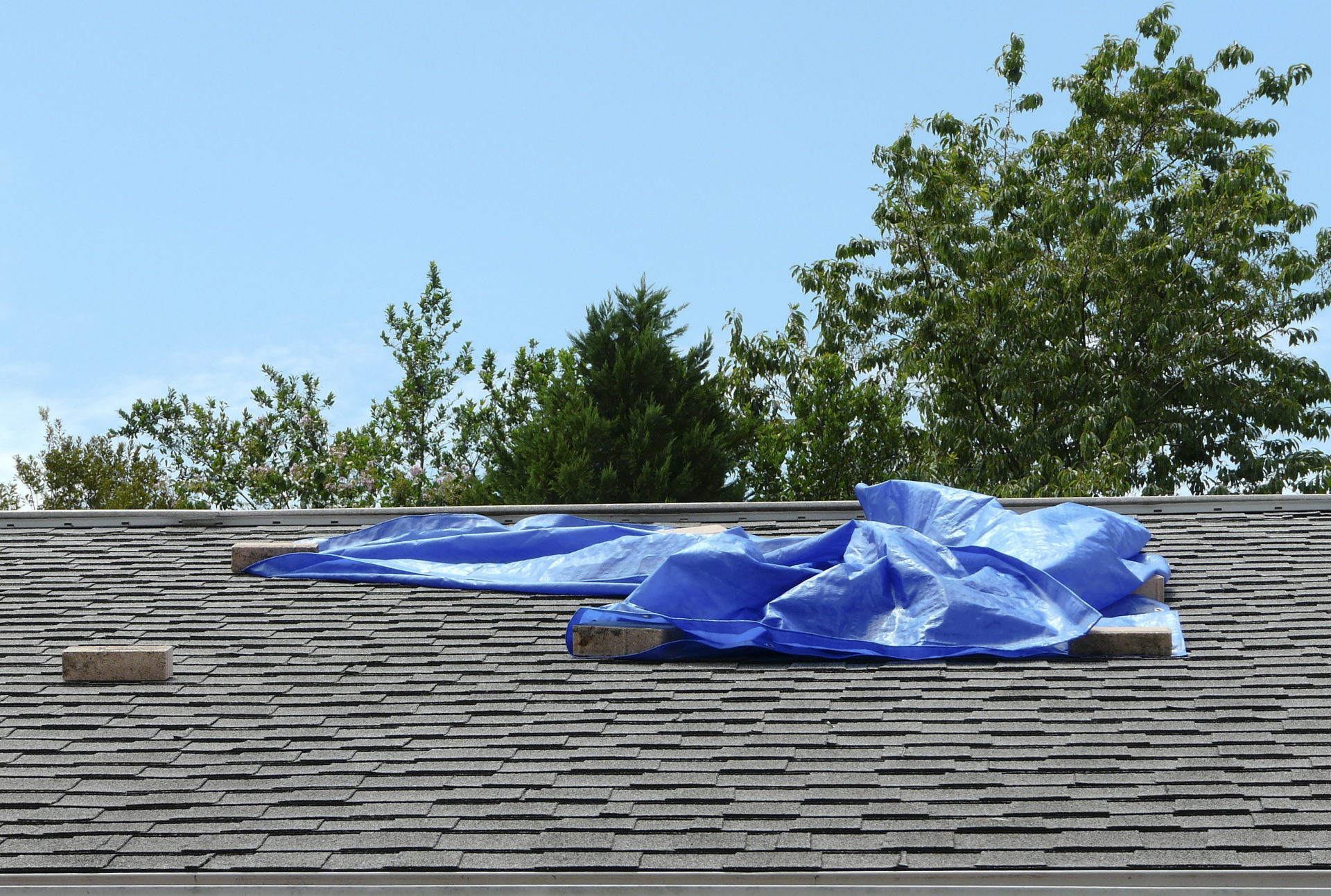
Temporary emergency dry-in is sometimes the right first step when conditions prevent a permanent repair — active rain on an open membrane, for example, or a damage area that requires structural assessment before a permanent system can be applied. We carry tarping and temporary sealant materials for emergency containment, and we are explicit with building owners about what constitutes a temporary fix versus a permanent repair so there is no ambiguity about what follow-up work is required.
After every emergency repair, we provide a written summary of the entry point found, the repair executed, the materials used, and any additional deficiencies observed during our time on the roof. That document serves as the baseline for the owner's maintenance record and, when relevant, as supporting documentation for an insurance claim. A leak that caused interior damage in November with a documented repair record is a cleaner insurance conversation than a leak with no documentation of cause or remedy.
Questions Owners Ask
How quickly can you respond to an emergency roof leak in Tacoma?
For buildings already in our service program, same-day response is standard for calls received before noon during the week, and we maintain emergency contact availability on weekends during the November through January peak season. For new clients, response time depends on crew availability and access logistics. We are honest about timeline when we take the call — a building with constrained dock access or security protocols may require several hours to mobilize correctly even when crews are available.
My building is leaking in multiple spots — where do you start?
We triage by interior damage risk first — active water near electrical panels, server rooms, or production equipment gets addressed before water dripping into open warehouse space. On the roof, we prioritize finding and sealing entry points with the highest volume of water intrusion. In many cases, multiple interior drips trace back to a single roof-level failure, so methodical diagnosis before patching is essential to avoid wasted labor on the wrong locations.
Is a roof leak repair covered by commercial property insurance?
Coverage depends on the cause. Sudden damage from a wind event or falling object is typically covered. Gradual deterioration from deferred maintenance is typically excluded. We document the physical evidence at the point of failure — membrane condition, flashing integrity, fastener condition — and note any indicators of sudden versus gradual failure. That documentation is what your adjuster needs to evaluate the claim. We are not insurance adjusters, but we provide the field evidence clearly.
Can you repair a roof leak while it is raining?
Some repairs can be executed in light rain — removing standing water from a drain area, applying emergency sealant to an open seam, or repositioning a displaced flashing. Permanent membrane repairs and adhesive-bonded patches require a dry, clean substrate for proper adhesion. When conditions do not allow permanent repair, we execute a temporary dry-in to stop active water entry and schedule the permanent repair for the next dry weather window.
After a leak repair, how do I know the leak is actually fixed?
We flood-test repaired areas when the scope and roof configuration allow — contain water over the repair zone for a minimum of four hours and monitor the interior for any continued intrusion. On large industrial roofs where flood testing the full perimeter is impractical, we use a low-voltage electronic leak detection method that identifies membrane breaches without water. We do not consider a repair complete until we have verified the seal, not just applied the material.
Document the condition before choosing the scope
A decision-grade Tacoma roof record includes the affected interior zone, roof-area map, repair history, membrane condition, wet-area indicators, photographs, test locations, and the exact limits of the proposed repair. Conditions should be organized by roof area and priority rather than buried in a chronological photo dump. During the visit, the technician should trace the water path from the interior evidence back through roof elevations, seams, penetrations, curbs, walls, edges, and drains instead of sealing the first suspicious detail. Wide views, detail views, measurements, markings, and interior references make the findings reproducible instead of dependent on memory. Temporary protection, permanent repair, routine maintenance, and capital recommendations belong in separate sections. This keeps a successful dry-in from being mistaken for the completed repair and lets competing proposals be compared on the same basis.
Treat each roof assembly on its own terms
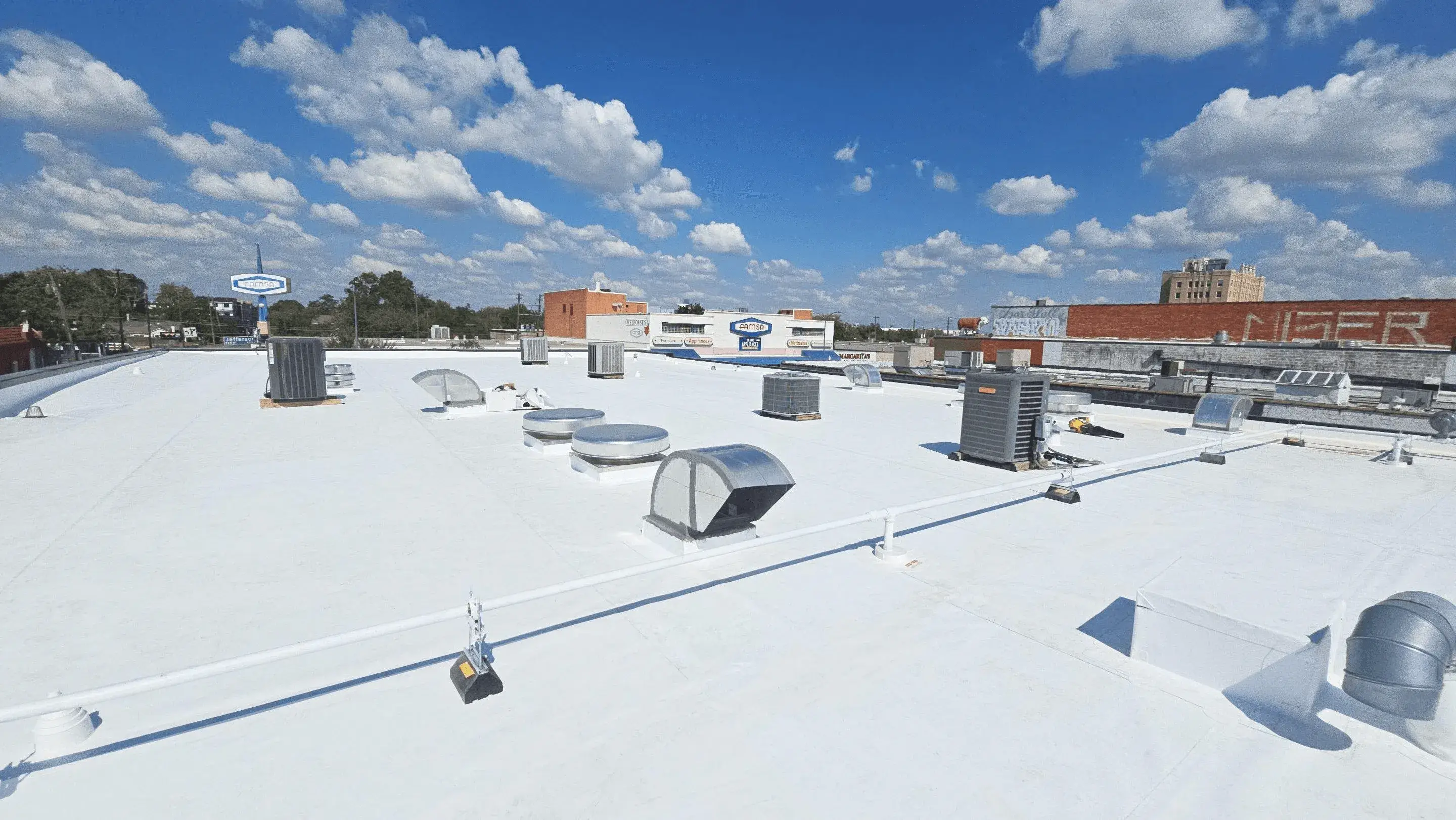
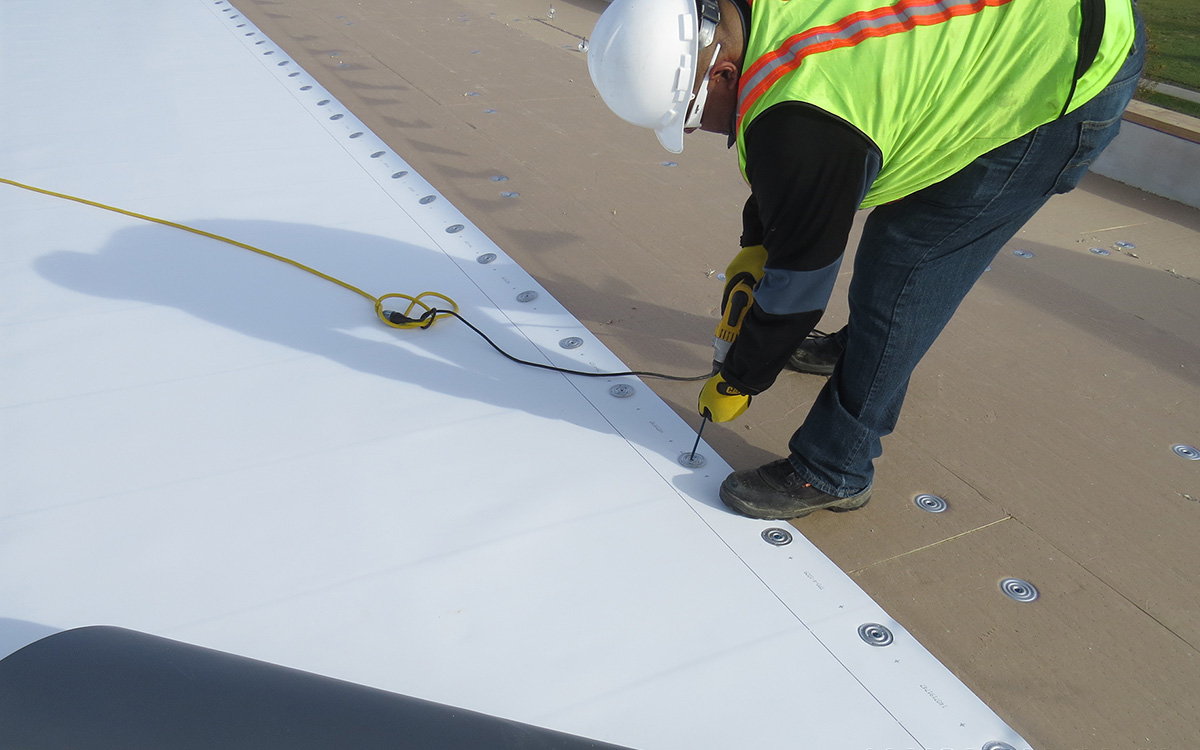
PVC Roof Systems, EPDM Roof Systems, and TPO Roof Systems can show a similar interior symptom while requiring different investigation and repair details. The observed assembly—not a generic flat-roof label—has to control the scope. The scope should name the membrane or surface that was actually observed, identify unknown construction, and check compatibility before mastics, primers, membranes, or coatings are specified. Core information may be necessary when layers and attachment affect the option set. The final comparison should show which materials can accept repair or restoration, which areas need removal, and which unknowns could change the scope. Product preference comes after those conditions are established.
Roof work has to fit real operations
Fast Food Qsr Roofing, Fitness Center Gym Roofing, and Mixed Use Development Roofing do not share the same interruption tolerance. The roof scope should be written around the occupied property as well as the exterior defect. Access and protection notes should cover ladders or hatches, staging, falling-object zones, odor and noise, equipment clearances, daily cleanup, weather stops, and the rooms directly below openings or test cuts. Wet-weather work may stop at stabilization because permanent materials need a clean, dry substrate and a workable forecast. Daily closeout should state what was opened, completed, and left under temporary protection.
Make repair, restoration, and replacement distinct decisions
The decision point is whether the defect is isolated, whether trapped moisture changes the scope, and whether continued spot repair remains defensible. The evidence may support a small permanent repair, a broader corrective scope, a restoration evaluation, recover design, or tear-off, but the report needs to show why. Decision thresholds include moisture extent, remaining secure attachment, deck condition, prior repair performance, drainage, assembly compatibility, operational risk, budget timing, and the period the owner expects the roof to remain in service. A smaller scope is not automatically prudent, and a larger scope is not automatically safer. The defensible option is the one whose boundaries match the documented condition and the owner's operating requirements.
Turn the visit into a usable next step
The work becomes more valuable when it leads to an inspection that separates an isolated repair from restoration, recover, or replacement planning. A service call, inspection, and capital project should use one continuous property and roof-area history. For one building, that history makes the next visit faster and reveals whether a repair held. Across a portfolio, it lets ownership rank roofs by condition, operational risk, repair spending, and capital timing instead of reacting to the newest ceiling stain. Recurring service should not disappear when a capital project begins. Local Roofers can preserve the agreement and roof history while larger work is scoped, completed, closed out, and returned to inspection status.
A useful response starts before roof access
The first conversation about recurring ceiling stains, active dripping, damp insulation, open laps, failed penetrations, wall-flashing defects, or earlier repairs that no longer hold should establish the Tacoma property address, contact on site, roof-access method, affected interior area, when water was first observed, whether entry is active, and any immediate safety concern. Interior photographs can preserve stain limits and active-drip locations before ceiling materials are moved. Roof photographs from facility staff may help with orientation, but they do not replace safe field verification or authorize untrained personnel to enter the roof. The response plan should match the reported condition without promising a cause, permanent repair, or arrival time that has not been verified. Dispatch clarity is valuable precisely because it avoids unsupported assumptions.
Price the known work without hiding the unknowns
Pricing is easier to evaluate when the scope shows which conditions were measured, which were observed but not opened, and which remain concealed. Unit prices or allowances can address uncertainty without pretending the quantity is already known. Schedule assumptions also belong beside price: weather windows, material lead time, permits, shutdowns, tenant coordination, daily dry-in, and access restrictions. An unexplained low number can become an expensive sequence of changes if these constraints are omitted. Closeout requirements should be priced as part of the work: final photographs, repair locations, warranty or material records, open punch items, and the next recommended inspection. Those documents keep the completed scope connected to the roof plan.
How Tacoma operating conditions shape the review
A Tacoma roof review has to account for extended wet periods, wind, seasonal debris, cool-weather installation limits, and recurring drainage demand. Those conditions affect access, observation timing, drying, and temporary protection before they affect the final recommendation. The review should connect the time and location of water entry with roof zones, elevations, drainage paths, and construction transitions. That map helps distinguish one isolated defect from several conditions activated by the same rainfall. This distinction protects the owner from treating a correlation as proof. It also lets the next technician revisit the precise unknown instead of repeating the entire investigation.
Tacoma decision checklist
- Map the interior symptom to a named roof area before selecting a repair detail.
- Record temporary measures separately from permanent work and list every open item.
- Verify drainage, penetrations, walls, edges, earlier repairs, and transitions around the affected area.
- State the observed roof assembly, unknown construction, access limits, and testing assumptions.
- Connect the recommendation to repair, restoration, replacement, maintenance, or capital-planning thresholds.
- Set the next inspection or follow-up date so the roof history continues after this visit.
Commercial roof decision questions
Does this condition automatically mean the roof must be replaced?
No. The review should establish whether the defect is isolated, whether trapped moisture changes the scope, and whether continued spot repair remains defensible. Replacement becomes a defensible recommendation only when the field evidence, moisture, assembly condition, repair history, deck or attachment concerns, and lifecycle comparison support it.
What should the Tacoma roof scope document?
It should document the affected interior zone, roof-area map, repair history, membrane condition, wet-area indicators, photographs, test locations, and the exact limits of the proposed repair. It should also label temporary and permanent work separately, state assumptions and exclusions, and identify the inspection or service step that follows the current scope.
How does an urgent call become a maintenance or capital plan?
The immediate visit creates the first roof-area record. A follow-up inspection establishes condition and priorities. Completed repairs, recurring observations, drain service, warranties, and future recommendations are then retained so maintenance stays scheduled and larger work can be placed into the appropriate capital year.
From service call to roof plan
Use the next decision, not the biggest sale.
Stabilize the problem, document the roof, compare the viable paths, and keep the resulting roof history active.