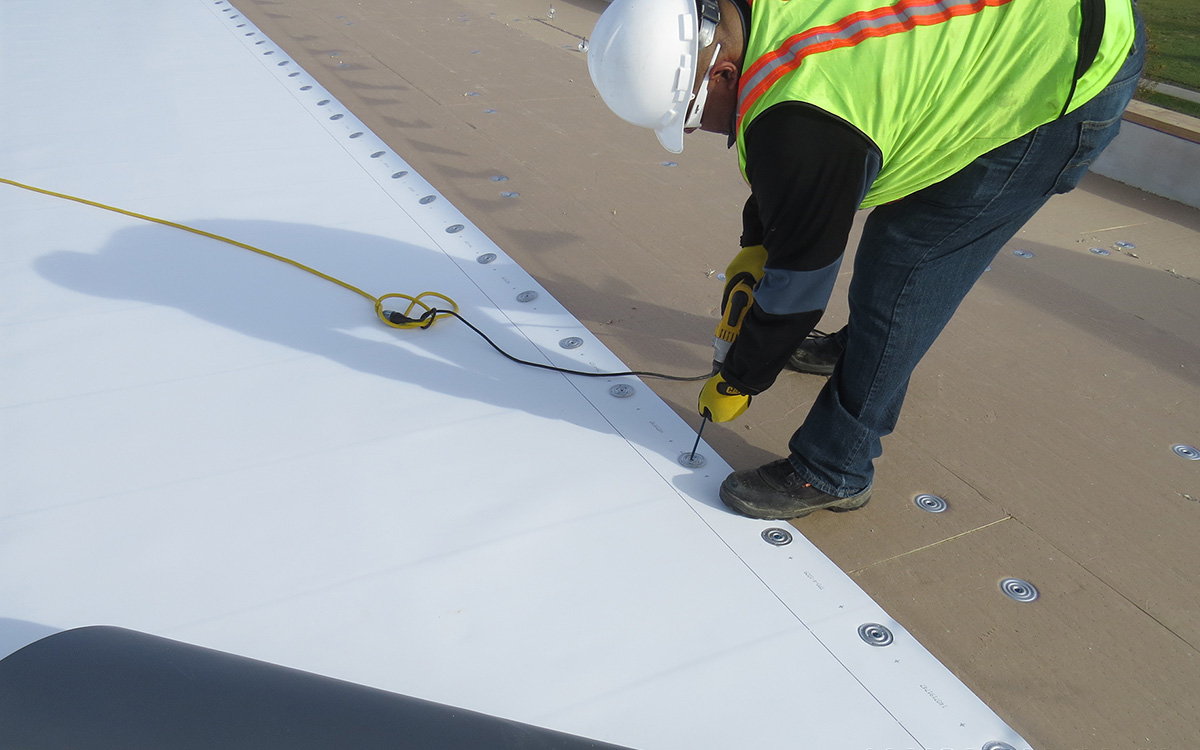
Tacoma Mall
Tacoma Mall starts with roof evidence: membrane seams, flashing transitions, drains, edge metal, rooftop equipment, access points, and the occupied space below. We document what is happening on the roof before recommending repair, restoration, recover, coating, or replacement, so the scope fits Tacoma Mall commercial buildings instead of a generic roof label.
Tacoma Mall requests usually come from owners, property managers, facility teams, or project planners who need a defensible next step. We shape the scope around roof condition, access, drainage, tenant activity, budget timing, and weather windows so the recommendation can be compared clearly.
Tacoma's wet season keeps drainage, seam condition, and daily close-in planning at the front of tacoma mall. Long rain periods can expose weak laps, clogged drains, aged flashings, open penetrations, and edge movement, so scheduling and temporary protection matter as much as the material choice.
Retail and mixed-use roofs in the Tacoma Mall district carry their own access puzzles: parking-structure staging, steady customer traffic below, salt-tinged air off the Sound, and after-hours coordination with store operations. The scope settles staging, fall protection, lift or crane placement, delivery-dock timing, and roof-area documentation before anyone opens a seam.
Big-box stores, strip centers, office blocks, restaurants, and apartment buildings around the mall all keep tenants and shoppers underneath the deck. Our work plan keeps entrances, storefront doors, interior protection, noise, odor, and weather exposure spelled out in the recommendation rather than surfacing them as surprises after the number lands.
Retail-scale roofs along the I-5 shopping corridor tend to run wide membrane fields broken up by HVAC curbs, screen walls, canopy overhangs, and drain lines that all need mapping. We keep isolated repair candidates separate from the areas that call for moisture scanning, restoration planning, recover study, or full replacement budgeting.
We check Tacoma Mall by roof area. The first pass records membrane type, age clues, rooftop equipment, ponding lines, drain strainers, metal edge condition, wall transitions, pitch pockets, grease or chemical exposure, tenant leak reports, and any interior ceiling evidence. If a moisture scan or core cut changes the story, the recommendation changes with it.
Repair, recover, coating, and replacement are separate decisions for Tacoma Mall. A dry roof with isolated seam failure can often be stabilized. A roof with wet insulation, rusted fasteners, failed slope, or corroded edge metal needs a broader budget conversation before patches hide the actual condition.
Cost drivers for Tacoma Mall are practical: roof access, fall protection, tear-off volume, wet insulation, tapered insulation, drain work, coping, wall flashing, temporary protection, after-hours labor, and occupied-building staging. We mark those drivers in the estimate so ownership can see which field conditions change the price.
Documentation matters when Tacoma Mall touches insurance, public spending, tenant relations, port operations, or capital planning. We provide roof-area notes, photo locations, repair limits, known exclusions, access constraints, and weather-sensitive details. On claim-related work, we document contractor observations without acting as a public adjuster or promising an insurance outcome.
Schedule control protects the building during Tacoma Mall. Materials stay clear of drains, open sections are sized to the forecast, and close-in decisions are made before wind-driven rain arrives. That discipline matters on occupied commercial roofs because a small open section can become an interior problem before the next weather break.
A good Tacoma Mall scope should leave the owner with field photos, priority levels, and enough roof evidence to compare bids around district. We separate temporary dry-in from permanent work and keep claim documentation on the contractor side of the line.
The first useful deliverable for tacoma mall is a roof record the owner can use. That record should name the roof areas reviewed, active leak or damage locations, drain and scupper concerns, rooftop equipment conflicts, access limits, prior repairs, and the conditions that make the recommendation urgent or deferrable.
How you reach the roof reshapes the whole job. A single storefront, a mall-anchor box, a medical office, and a multi-building retail campus each demand different staging, lift positioning, safety zones, odor control, interior protection, and coordination with store managers. Those limits belong in the roof plan up front, not tacked on later.
Budget review for tacoma mall separates immediate water control from durable roof work. We identify what can be stabilized, what should be monitored, what requires moisture testing or core cuts, and what belongs in a replacement or restoration budget. That keeps owners from comparing repair numbers that are solving different problems.
Material selection follows what the roof actually shows. TPO, PVC, EPDM, modified bitumen, metal, coatings, and built-up asphalt each respond differently to ponding, foot traffic from service crews, marine air, wall tie-ins, and fastening. A sound recommendation explains why the chosen system fits this district's retail roof and the way the store runs.
Closeout should hand the store or property team a usable path forward: what we found, what got fixed or left out, which roof zones still carry risk, and what to budget next. That is what separates a throwaway retail roof quote from a roof file that supports upkeep, capital planning, insurance records, or the next round of bids.
Deeper review can fold in roof access points, past patch logs, warranty documents, tenant leak complaints, rooftop equipment, drain condition, and known repair boundaries whenever those details move the final scope.
Roof Questions
What changes the cost for commercial roofing in Tacoma Mall?
Access routes, wet insulation, deck repair, drain work, edge metal, flashing tie-ins, temporary protection, after-hours sequencing around store hours, and occupied-building limits can all shift the final scope. We write those conditions down before treating any figure as dependable.
Can the work be done while the building stays open?
Frequently, yes. The schedule turns on mall entrances, service doors, roof access, noise, odor, weather openings, safety zones, and how much of the roof a crew can open and close inside a single retail business day.
How do you decide between repair, coating, recover, and replacement?
We weigh moisture, deck condition, fastening, slope, seam integrity, drain performance, edge-metal risk, and how many more years the owner needs from the roof. Dry, contained defects often stay repairable; creeping moisture or failed details across the field usually push toward broader planning.
What documentation is included?
The paperwork you get back covers roof-area notes, photo locations, leak or damage observations, priority tiers, repair boundaries, access limits, and budget categories. Storm work comes with contractor-side evidence and no promises about how an insurer will rule.
How quickly can a Tacoma roof be reviewed after a storm?
Timing on a mall-district roof hinges on access, weather, crew availability, and whether water is reaching occupied retail space. Active leaks get triaged first, then temporary dry-in and permanent repairs are split apart so the owner can decide with a clear head.