Commercial Roofing
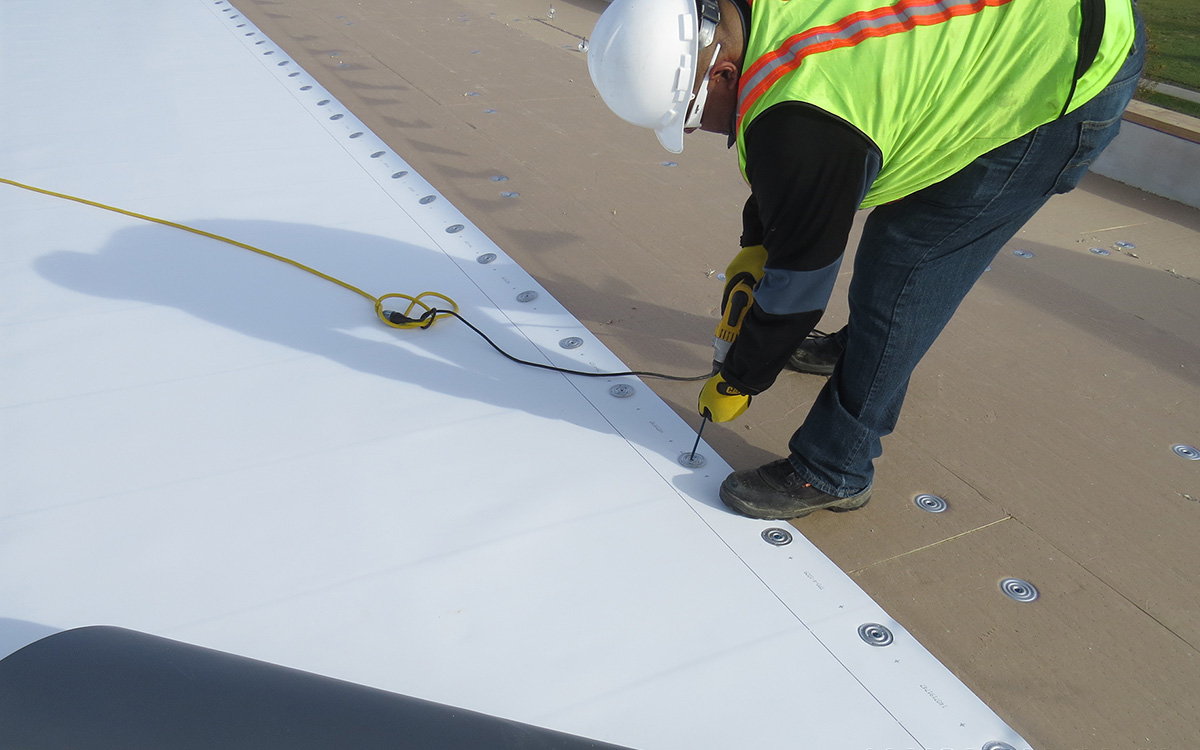
Commercial Roofing starts with roof evidence: membrane seams, flashing transitions, drains, edge metal, rooftop equipment, access points, and the occupied space below. We document what is happening on the roof before recommending repair, restoration, recover, coating, or replacement, so the scope fits Commercial Roofing commercial buildings instead of a generic roof label.
Commercial Roofing requests usually come from owners, property managers, facility teams, or project planners who need a defensible next step. We shape the scope around roof condition, access, drainage, tenant activity, budget timing, and weather windows so the recommendation can be compared clearly.
Tacoma's wet season keeps drainage, seam condition, and daily close-in planning at the front of commercial roofing. Long rain periods can expose weak laps, clogged drains, aged flashings, open penetrations, and edge movement, so scheduling and temporary protection matter as much as the material choice.
Commercial and industrial roofs across Tacoma face access constraints, roof traffic, marine air off Commencement Bay, security coordination, and material-handling questions in equal measure. The scope accounts for staging, fall protection, crane or lift placement, loading docks, and roof-area documentation before any work begins.
Across port, logistics, warehouse, retail, campus, and multifamily properties in the city, the work plan has to protect whatever operates below the roof. We keep delivery routes, tenant doors, interior protection, noise, odor, and weather exposure visible in the recommendation instead of burying those constraints after pricing.
Tacoma's larger roof areas often include wide membrane fields, dock canopies, rooftop equipment, parapet transitions, and drainage patterns that need careful roof-area mapping. We separate isolated repair candidates from sections that need moisture review, restoration planning, recover analysis, or replacement budgeting.
We check tacoma by roof area. The first pass records membrane type, age clues, rooftop equipment, ponding lines, drain strainers, metal edge condition, wall transitions, pitch pockets, grease or chemical exposure, tenant leak reports, and any interior ceiling evidence. If a moisture scan or core cut changes the story, the recommendation changes with it.
Repair, recover, coating, and replacement are separate decisions for tacoma. A dry roof with isolated seam failure can often be stabilized. A roof with wet insulation, rusted fasteners, failed slope, or corroded edge metal needs a broader budget conversation before patches hide the actual condition.
Cost drivers for tacoma are practical: roof access, fall protection, tear-off volume, wet insulation, tapered insulation, drain work, coping, wall flashing, temporary protection, after-hours labor, and occupied-building staging. We mark those drivers in the estimate so ownership can see which field conditions change the price.
Documentation matters when tacoma touches insurance, public spending, tenant relations, port operations, or capital planning. We provide roof-area notes, photo locations, repair limits, known exclusions, access constraints, and weather-sensitive details. On claim-related work, we document contractor observations without acting as a public adjuster or promising an insurance outcome.
Schedule control protects the building during tacoma. Materials stay clear of drains, open sections are sized to the forecast, and close-in decisions are made before wind-driven rain arrives. That discipline matters on occupied commercial roofs because a small open section can become an interior problem before the next weather break.
We are ready to review Commercial Roofing when the owner needs a repair number, a maintenance plan, or a capital budget tied to roof evidence. The output is a roof-specific scope, not a generic recommendation.
The first useful deliverable for commercial roofing is a roof record the owner can use. That record should name the roof areas reviewed, active leak or damage locations, drain and scupper concerns, rooftop equipment conflicts, access limits, prior repairs, and the conditions that make the recommendation urgent or deferrable.
Across the city's building stock, access planning changes the practical scope. A small retail roof, a port-adjacent warehouse, a downtown medical building, and a campus facility may each need different staging, lift placement, safety controls, odor management, interior protection, and communication with tenants or operations teams. Those constraints are part of the roof plan, not afterthoughts.
Budget review for commercial roofing separates immediate water control from durable roof work. We identify what can be stabilized, what should be monitored, what requires moisture testing or core cuts, and what belongs in a replacement or restoration budget. That keeps owners from comparing repair numbers that are solving different problems.
The system recommendation is tied to evidence. TPO, PVC, EPDM, modified bitumen, metal, coatings, and built-up asphalt each behave differently around ponding water, rooftop traffic, Tacoma's marine air, wall transitions, and attachment. The right recommendation explains why the system fits the roof condition and the operating needs of the building.
Closeout should hand the facility team usable next steps: what was found, what was fixed or excluded, which roof areas remain at risk, and what should be budgeted next. That is the difference between a generic roof quote and a roof file that can support maintenance, capital planning, insurance documentation, or future bid comparison.
Roof Questions
What changes the cost for commercial roofing in Commercial Roofing?
Conditions such as access, wet insulation, deck repair, drain work, edge metal, flashing transitions, temporary protection, after-hours sequencing, and occupied-building limits can all change the final scope. We put those in writing before treating a number as reliable.
Can the work be done while the building stays open?
In most cases, yes. The schedule depends on entrances, loading doors, roof access, noise, odor, weather windows, safety zones, and how much of the roof can be opened and closed in one day.
How do you decide between repair, coating, recover, and replacement?
We weigh moisture, deck condition, attachment, slope, seam condition, drain performance, edge-metal risk, and how long the owner needs the Tacoma roof to keep performing. Dry, isolated defects may stay repairable; spreading moisture or failed details usually call for broader planning.
What documentation is included?
The documentation we hand over covers roof-area notes, photo locations, leak or damage observations, priority levels, repair limits, access constraints, and budget categories. Storm work carries contractor-side evidence without promises about insurance outcomes.
How quickly can a Tacoma roof be reviewed after a storm?
How soon we start comes down to access, weather, crew load, and whether water is reaching occupied space in the building. Active leaks are triaged first, then temporary dry-in and permanent repairs are separated so the owner can decide clearly.